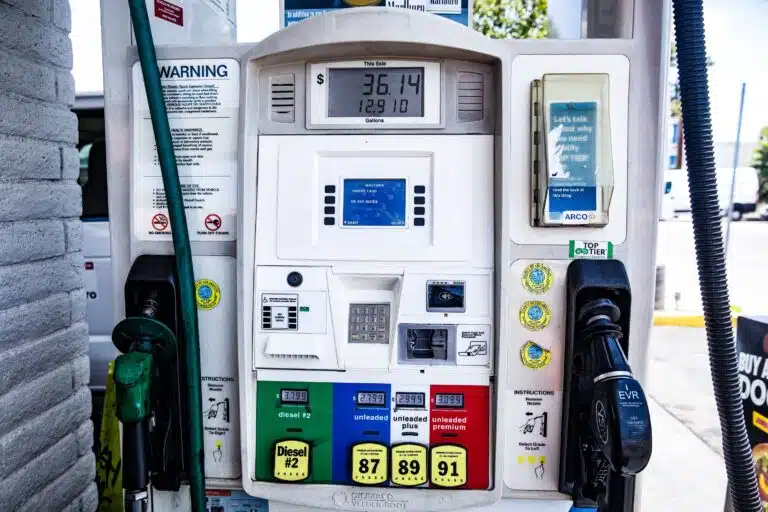
“Indiana has the cheapest gas in the country because we are using every tool in the toolbox to save Hoosier families money,” Braun said in a press release when he made the announcement June 3. “Affordability is my No. 1 priority.”
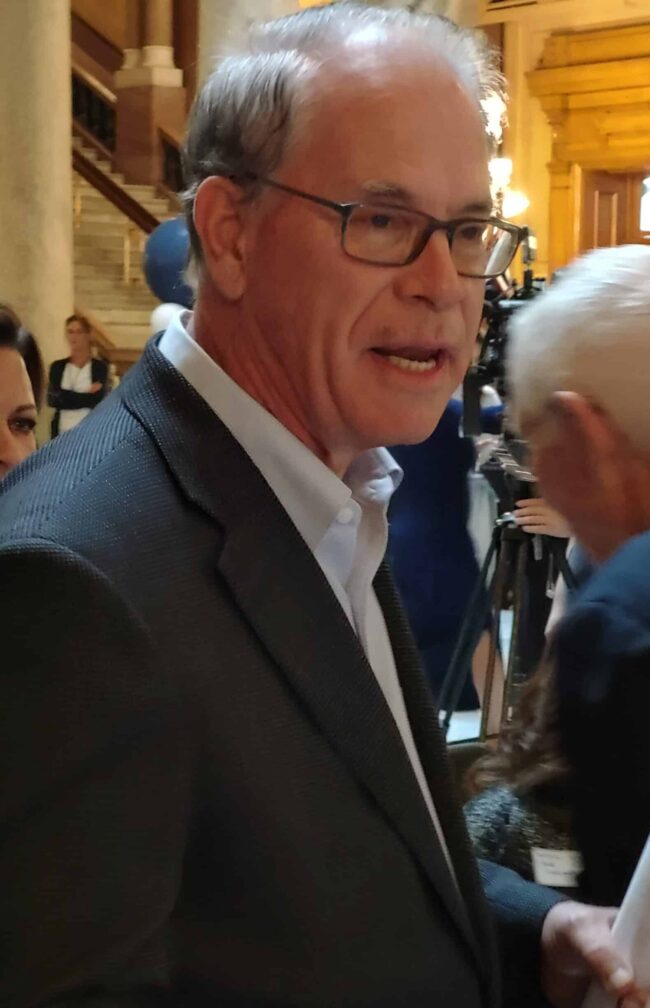
Braun’s gas tax holiday includes the suspension of the state’s gasoline excise tax, which is a set tax rate, and the current 7% gasoline usage tax, which varies from month to month, according to WTHR.
Gas prices began climbing in early March when President Donald Trump partnered with Israel in initiating an attack on Iran, targeting the nation’s nuclear missile program, military locations and government leaders in late February, the BBC reported.
In response to the ongoing conflict, Iran has shut down the Strait of Hormuz, a key waterway for oil shipments. Coupled with attacks on Iranian oil and gas sites, this waterway blockade is causing a major jump in gas prices for American consumers, the BBC explained. In late February, AAA reported a national average of $2.98 per gallon, which climbed to $4.16 per gallon by mid April.
Indiana’s first tax suspension occurred on April 8 when Braun proclaimed an energy emergency. In an attempt to mitigate the financial impact on Indiana residents, the governor announced a 30-day moratorium on the state’s gasoline usage tax.
On May 6, Braun continued the gasoline usage tax suspension while adding a suspension of the gasoline excise tax.
Braun enacted the gas tax moratorium under a state statute that enables the governor to proclaim a state of emergency for up to 60 days, according to The Indiana Capital Chronicle.
Under the statute, the governor is allowed to extend the order once for up to 120 days. To extend the order further than 120 days, Braun would need to call a special legislative session and receive legislative approval.
In May, after his first extension, Braun said he believed he could not prolong the suspension after June 7 without assembling a special legislative session, The Indiana Capital Chronicle reported. However, the governor’s view has changed. Now he believes the statute enables him to continue the tax moratorium until August without any legislative input.
In his statement, House Speaker Todd Huston, R-Fishers, affirmed Braun’s analysis of the statute.
“House Republicans support the Governor’s extension of the gas tax suspension to keep costs low for Hoosiers at the gas pump,” Huston said. “State law allows energy emergencies to last up to 120 days without legislative action. We will continue to monitor gas prices as we go forward to ensure affordability.”
Braun said he hasn’t begun conversations about a possible special legislative session to extend the tax gas moratorium beyond Aug. 7, The Indiana Capital Chronicle reported.
To ensure Indiana residents received the benefits of the gas tax holiday, Braun’s original energy emergency proclamation tasked the Indiana attorney general’s office with keeping tabs on price fluctuations at gas stations across the state, The Chronicle said.
Hoosiers began raising accusations of price gouging by gas station retailers when Braun’s proclamation on April 8 produced less change than they expected at the pump.
Since the announcement of the gas tax holiday, the attorney general’s office has received over 170 consumer complaints about price gouging, Attorney General Todd Rokita said. However, he noted that the rate of incoming complaints had decreased in late May, said The Indiana Capital Chronicle.
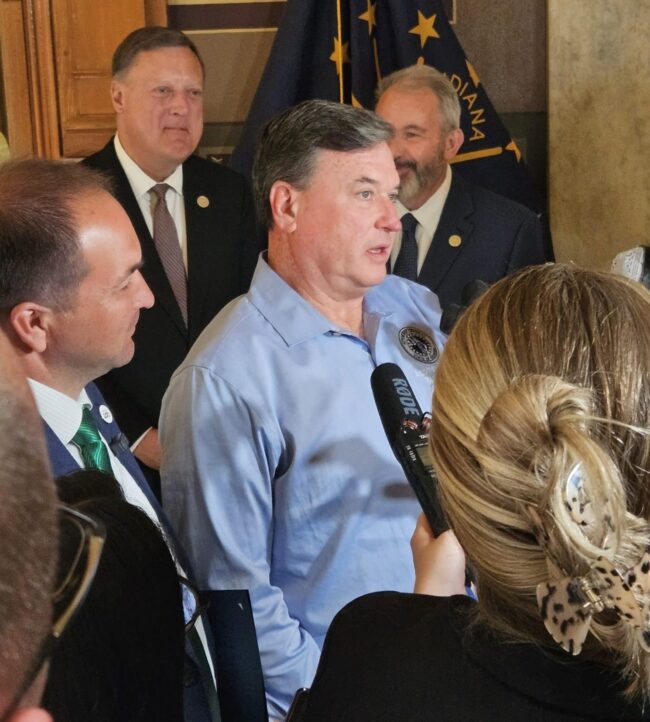
Rokita told reporters that the consumer complaints have spurred 30 formal investigations into price gouging by gas stations along with informal probes about price fluctuations at 100 other gas stations. While Rokita assured Hoosiers that his office was on the job, he explained that the complex nature of price gouging probes could result in prolonged investigations.
For Hoosiers wanting to make the most of this tax break, Rokita’s office created an online portal called IN Fuel Watch. This site shows gas prices at over 4,600 gas stations across Indiana.
While this tax break may bring relief to Hoosiers’ wallets, some have raised concerns about the impact on funding for Indiana’s road construction projects. The state is losing about $140 million in revenue for each month of the gas tax holiday, WFYI reported.
The Indiana Department of Transportation (INDOT) and city and county governments—the recipients of gas tax revenue—are preparing for changes in cash flow, The Indiana Capital Chronicle reported. Local government officials, anticipating funding cuts, are requesting that the governor reallocate state money to replace the depleted gas tax revenues.
Matt Greller, executive director of Accelerate Indiana Municipalities, an organization that represents Indiana’s cities and towns, acknowledged concerns about funding if the gas tax holiday continues.
“If this becomes a long-term suspension, that’s where the real concern begins,” Greller said to reporters at The Indiana Capital Chronicle. “We can probably make our way through a short-term situation.”
However, Natalie Garrett, communications director for the Indiana Department of Transportation, told WFYI that INDOT should be able to use cash reserves to cover its lost funding and continue all “current or planned projects and operations.”
Even while supporting Braun’s gas tax break, Senate President Pro Tem Rodric Bray, R-Martinsville, affirmed the need for ongoing conversations regarding road construction funding.
“Since this tax revenue is dedicated to the upkeep of state and local roads, we must continue to be good stewards of our state’s financial resources and find additional efficiencies to ensure we are still able to adequately provide the road infrastructure Hoosiers depend on every day,” Bray said in a statement.
Indiana Senate Minority Leader Shelli Yoder, D-Bloomington, supported the financial relief the tax break is delivering to Hoosiers. However, she criticized the Braun administration for endorsing policies that caused gas prices to spike, namely its support for the Iran war.
“Governor Braun is trying to shield Hoosiers from the consequences of policies he and his political allies support,” Yoder said in a statement. “While temporary relief may help today, Hoosiers deserve more than a band-aid after the damage is done. We should be asking why families are being put in this position in the first place and what we can do to prevent the next affordability crisis.
“Effective leadership means addressing the root causes of rising costs, not just reacting after Hoosiers have already been left paying the bill.”