By Misty White
August 13, 2026
The most important career conversation I had this year wasn’t with a high school senior preparing for graduation, but an 8th grader named Lily. She proudly told me she wanted to work at Taco Bell when she grew up because she loved Crunchwraps. Months later, our class visited our local career center and, during a presentation about occupational therapy, she whispered, “I didn’t even know this was a job.” My student’s potential hadn’t changed. Her horizon had. And those horizons are not distributed equally.
Lily’s story isn’t unusual. Research shows that career aspirations are shaped by what students see around them. While some find exposure through family networks, others rely entirely on school to open those doors. This is why Indiana’s redesigned diploma pathways require early action. Before students are asked to choose high school tracks and work-based learning plans, our middle schools must expand the horizons of students just like Lily.
As a middle school science and STEM teacher, I know that changing your hypothesis when new evidence emerges isn’t failure—it’s learning. Middle school is where futures take shape, not because students should decide what they want to become, but because they begin discovering what is possible. That is why I believe Indiana’s redesigned diploma pathways are so exciting. Beginning with the Class of 2029, students will earn a single diploma while pursuing Enrollment, Employment, or Enlistment seals. The redesign expands work-based learning, increases flexibility, and even offers automatic admission consideration at public universities for students earning the Enrollment Honors Plus Seal.
These are meaningful improvements that recognize there is no single path to success. But flexibility alone does not create opportunity; choices only matter when students understand the opportunities in front of them. Indiana has built a diploma around personalization, but personalization requires self-knowledge, and self-knowledge develops through exploration.
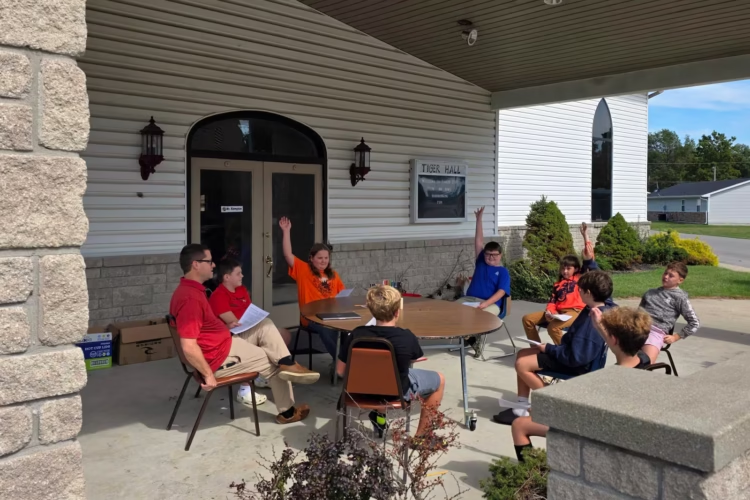
This past school year, I intentionally broadened those opportunities for my students. We hosted scholarship workshops, invited college students into our classroom, visited three college campuses, toured our local career center, and introduced students to careers in healthcare, engineering, skilled trades, education, and public service. Students like Lily who once described only the jobs they saw every day suddenly began asking about careers they had never imagined.
But sparking that curiosity requires time. Today, Indiana’s school counselors serve in one of the most demanding roles in education—balancing academic planning, mental health, and graduation requirements for student populations that often far exceed recommended ratios. Their work is indispensable.
First, Indiana must expand support capacity by helping districts scale dedicated career coaches and work-based learning coordinators. Across Indiana, some districts are already funding these positions through grants or local initiatives, reflecting an important truth: implementing personalized pathways requires specialized expertise and strong partnerships with employers, higher education, and community organizations. Although my small charter school lacks dedicated career coaches, our flexibility has allowed us to intentionally create experiences that expose students to careers they might never encounter otherwise. Those opportunities have been transformative but they shouldn’t depend solely on a school’s size or an individual teacher’s initiative.
Second, to support these roles sustainably, Indiana should modernize its School Services licensure framework by creating a dedicated Career Pathways Specialist credential. The state already licenses specialized professionals, including psychologists and social workers, because each serves a distinct role. As career coaching becomes central to our new diplomas, establishing this formal qualification would complement existing staff. Professionals with expertise in workforce development or employer engagement could focus on coordinating work-based learning and expanding career awareness. This is not about replacing school counselors; it is about recognizing that a more personalized education system requires a more specialized support system as well.
When I think about Indiana’s diploma pathways, Lily often comes to mind. She didn’t stop wanting to work at Taco Bell because someone convinced her it was the wrong choice. She changed because someone showed her another possibility. Years ago, another educator shared an African proverb with me that I have never forgotten: “The young can walk faster, but the elder knows the road.”
Indiana’s diploma redesign gives students more roads than ever before, which is worth celebrating. But we must also ensure every student has trusted adults who can help them navigate those roads, introduce them to destinations they never knew existed, and remind them that changing direction is not failure—it’s growth.
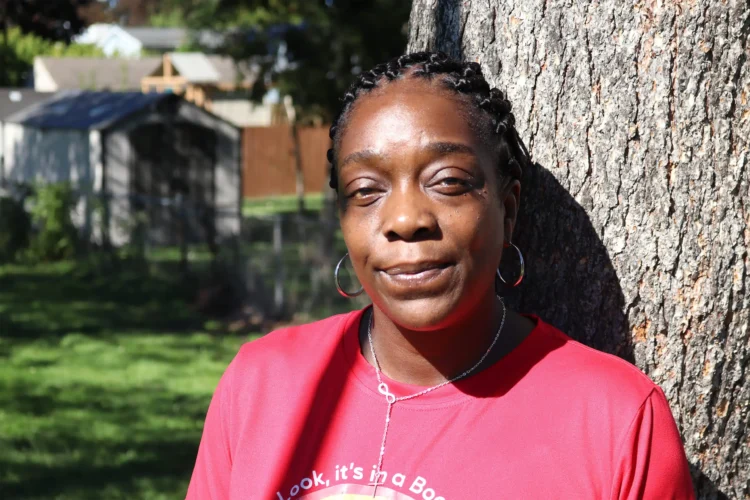
Misty White is a middle school STEM, social studies, and science teacher at Inspire Academy in Muncie, Indiana. She is a Teach Plus Indiana Policy Fellow. The views and opinions expressed do not necessarily reflect the views of The Indiana Citizen or any other affiliated organization.