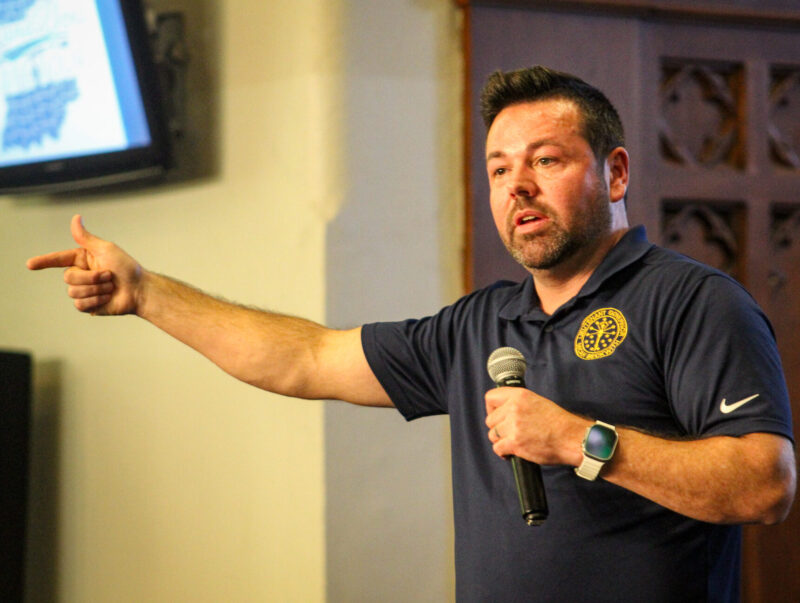
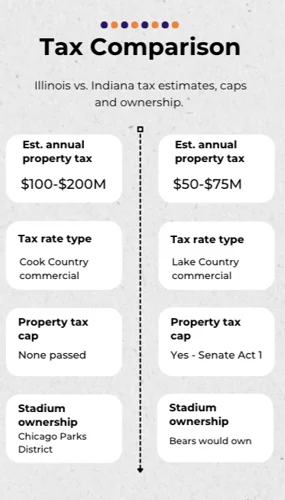
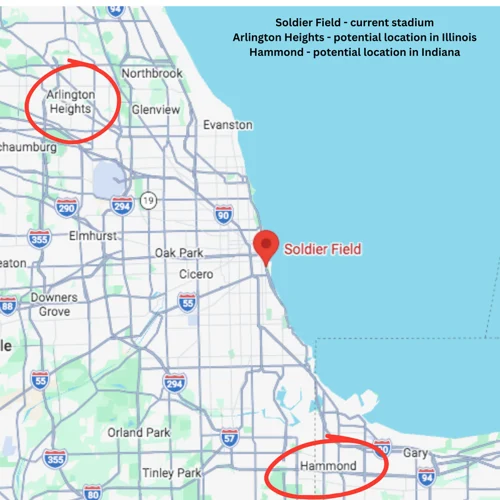
“The Bears have wanted to stay in the state of Illinois from the start,” said Bikoff. “The plan was never to go to Indiana. They’ve kind of been forced into this situation because the state of Illinois has been dragging their feet so much. … They’re not very happy with some of the things that the state of Illinois has put out, like the renovations on Soldier Field.”
In 2001, Soldier Field renovation plans to update the structure, add more parking, create a memorial and update infrastructure were finalized. The cost totaled $632 million.
The Bears paid their share of $200 million as well as some extra, whereas the CPD still owes nearly $600 million on their loans, said Bikoff.
“Illinois legislators have suggested that the $600 million still owed is the Bears’ responsibility. It is not,” said Bikoff “They have rented the facility. They do not own it and have paid their contractually obligated amount in full.”
This controversy has been a key catalyst for the speculation that the Bears’ next home will be in Hammond.
The details of Indiana’s bid
Along with an enticing tax system, Indiana has offered to pay for a portion of the stadium.
According to Senate Enrolled Act No. 27, Indiana’s offer consists of 50% of the construction cost of the new stadium to be made by private investment. The state will also provide $1billion to the project. The money would be raised by a 1% tax on food and beverage in Lake and Porter counties, hotel tax increase by 5% in Lake county and 12% admissions tax for tickets at the new stadium.
The tax increases in Lake and Porter counties are standard for new stadiums. For example, when operations on Lucas Oil Stadium started, in 2005, the admissions tax increased to 10% – including at Gainbridge Fieldhouse (Bankers Life Fieldhouse at the time), Victory Field and the Indiana Convention Center. A 1% food and beverage tax was implemented in Marion County as well as the doughnut counties. There was also a 5% increase on innkeepers tax in Marion County. These tax increases help pay off the stadium.
The tax increases in Lake County allow the cost to be not solely paid by locals but by people who travel to the stadium—in this case, Bears fans from not only Indiana but also Illinois.
On April 16, Indiana sweetened the pot. The State Budget Committee approved toll road increases throughout the state, according to State Affairs, which could increase the likelihood of the Bears moving east to Indiana because the money that is generated will be used to pay for enhancements to infrastructure in Lake, Porter and nearby counties.
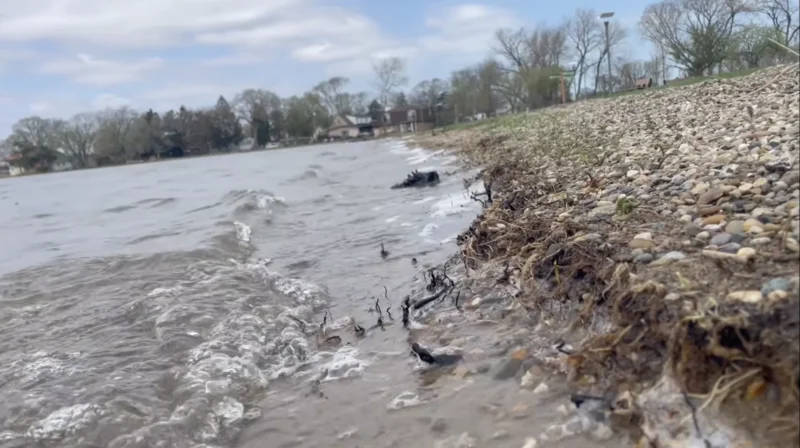
Hammond is ‘ready to do whatever it takes’
Northwest Indiana as a whole is eager to bring the Bears to help the city and the region grow.
“This is a once-in-a-generation opportunity for the city of Hammond. Hammond is ready to partner with the state and the Chicago Bears and is ready to do whatever it takes to make this project a success and to welcome the Bears to Hammond Indiana,” said Thomas McDermott Jr., mayor of Hammond in his statement to the press Feb. 19. “It’s going to make a major difference in the quality of life in our residence in our city and our state.”
Hammond’s population was 76,030 as of 2024. The city has an estimated poverty rate of 19.1%, which is 5% higher than the state average, according to the United State Census Bureau.
The crime rate is 38.14 – per 1,000 residents. Making Hammond safer than just 20% of U.S. cities, according to Crime Grade.
The hope for an increase in jobs and more money to improve the city is a big subject in Hammond with the anticipation of a team from the NFL.
“Hundreds of thousands of people are going to be touring here that have never toured before,” said Juan Moreno, Hammond’s director of economic development. “They have to put an increase on our workforce year round. So yeah, the workforce will increase.”
New businesses are projected to be added to the city as well.
“Our phone has been ringing off the hook from all sides of the commercial spectrum, such as commercial, retail, restaurants,” said Moreno. “The momentum is here. The energy is very high with commercial development and residential development.”
Hammond and Northwest Indiana have been preparing to take a big step.
“We are in the driver’s seat in Indiana because we put everything in place for them to just simply say, ‘Let’s do it, let’s roll out and get shovels in the ground next week’,” said Jimmy Nelson, South Shore Tourism’s director of sports.
The ball is now in the hands of the Illinois General Assembly, and the clock is ticking down.
“I feel confident we’re ready for them,” said Nelson. “We’ve shown the world that Northwest Indiana is ready for professional sports.