By Marilyn Odendahl
The Indiana Citizen
October 8, 2026
In their second debate for Indiana secretary of state, the four candidates stayed mostly on message, outlining their priorities if elected, but they showed some of their sharpest divisions on whether an audit of the office and a crackdown on noncitizen voters are needed.
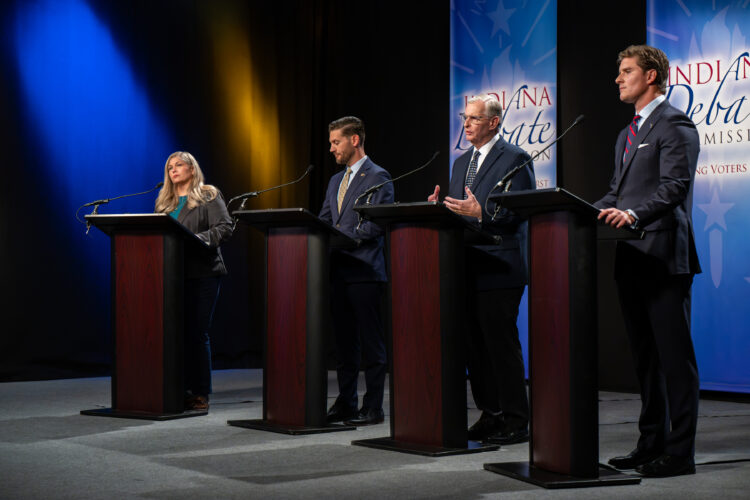
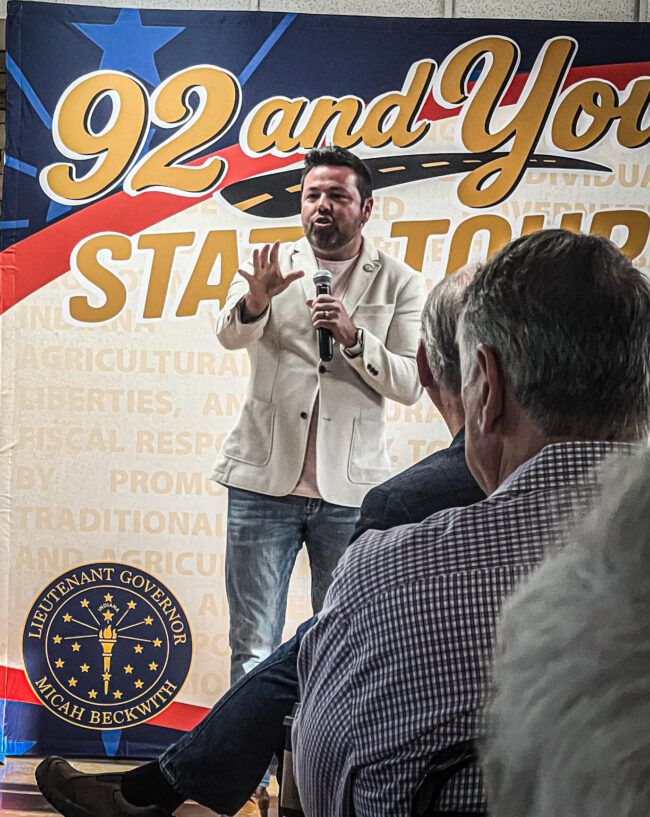
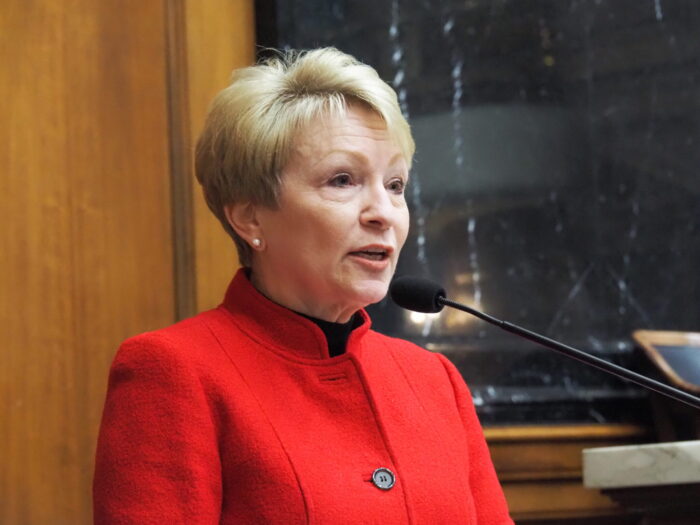
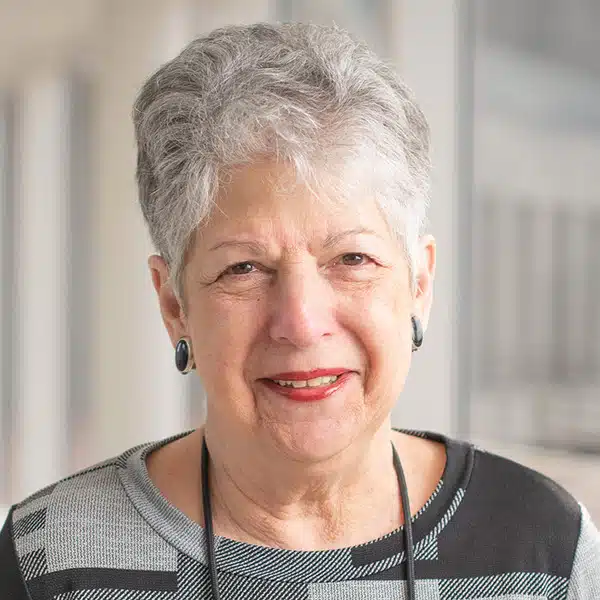
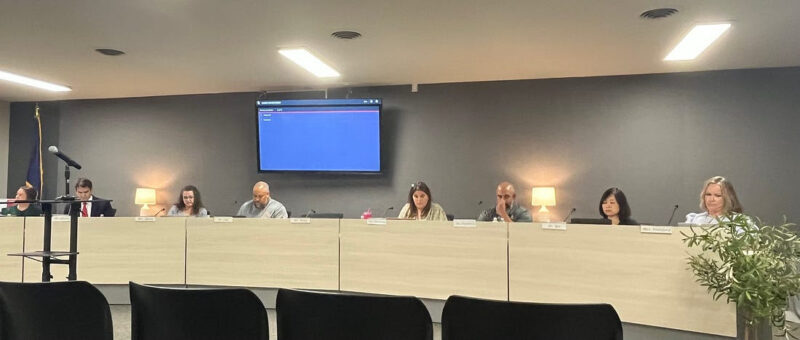
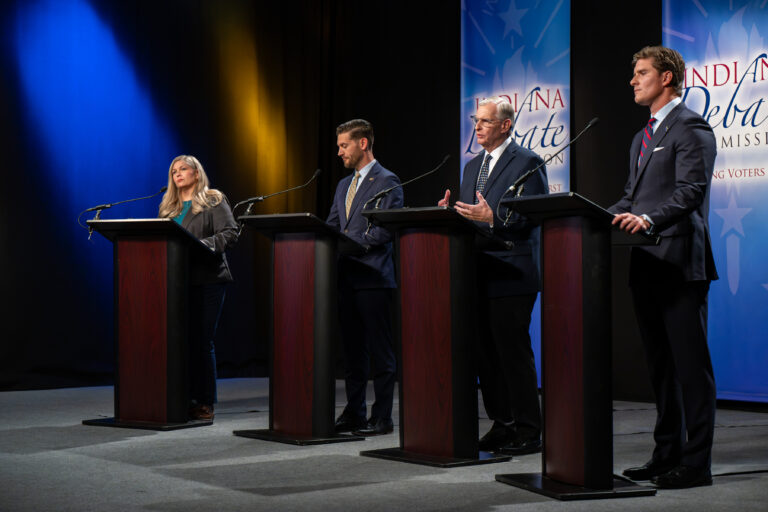
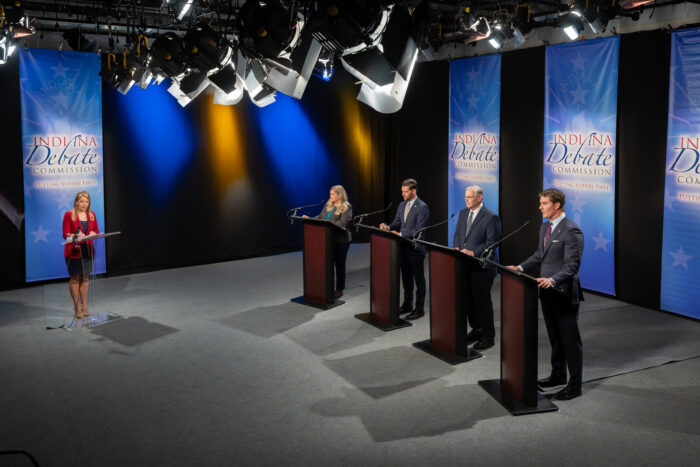
Republican Max Engling, Democrat Beau Bayh, Libertarian Lauri Shillings and Lincoln Party candidate Greg Ballard met to debate Wednesday at WFYI Public Television in downtown Indianapolis. Hosted by the Indiana Debate Commission, the event was moderated by Laura Merrifield Wilson, professor of policial science at the University of Indianapolis.
The questions, which had been submitted by Hoosiers from across the state, stayed focused on the duties of the secretary of state, which include administering elections, regulating the securities industry and chartering new businesses.
All four secretary of state hopefuls had appeared for a debate hosted by the Indy Chamber HobNob event in August. They are scheduled to meet one last time on Oct. 22 in a debate hosted by FOX59/CBS4.
This second debate came after a recent analysis of the race shows Ballard, Bayh and Engling practically in a dead heat. Also, a September survey of likely Hoosier voters found 38% supporting Engling, 37% supporting Bayh and 14% undecided. Shillings and Ballard were far behind at 6% and 5%, respectively.
Embattled Secretary of State Diego Morales, a Republican, had fought to run for a second term, but his support among party leaders crumbled in May. He subsequently lost his bid for renomination to Engling at the state GOP Convention in June.
Engling has been careful not to criticize Morales and last night repeated a common theme of his campaign, “Indiana is doing good things.” However, during the debate, he returned often to the topic of election integrity and made references to noncitizens voting in Indiana elections. He said he was the only candidate to commit to ensuring only eligible citizens were casting ballots.
“I would note that nobody here actually said that they would verify that it’s U.S. citizens except for me,” Engling said of his three opponents. “They all said it was unduly burdensome to verify if you’re a U.S. citizen to be voting in our elections. That is a very big problem.”
That drew rebuttals from Bayh, Ballard and Shillings, leading to one of the longest exchanges between the candidates during the debate. Ballard called Engling’s assertion “ludicrous” while Bayh was more direct, saying, “It’s untrue.”
Bayh said he supported voter ID laws, describing them as common sense and he pointed out state and federal law prohibit noncitizens from voting. Also, he noted the state has uncovered 22 instances of ineligible individuals casting ballots, but the attorney general’s office has not pursued any prosecutions.
“It’s unfortunate we only have limited time with the audience and Max is going to use some of it just making stuff up,” Bayh said. “We don’t think it’s unduly burdensome to have to verify your citizenship. In fact, that’s already federal law. In order to register to vote, you do have to verify your citizenship status. And so, he’s just spinning yarns.”
Shillings echoed Bayh, saying not only does the law ban noncitizens from the ballot box, but the system has checks and balances to prevent individuals who are not American citizens from voting. Also, she alluded to the SAVE Act, which has been championed by President Donald Trump and has been criticized as potentially blocking eligible voters from participating in elections.
“What Mr. Engling is trying to propose is that we have more burdensome rules and regulations for people who are legally allowed to vote,” she said, referring to the SAVE Act which would require people who have changed their name, such as women who marry or adults who were adopted as children, prove their identity and their citizenship status. “It’s an undue burden for them. It’s an additional cost that not everyone on this stage would have to do.”
The four candidates were also divided on what to do when Morales leaves office. His tenure has been marked by numerous controversies, including awarding no-bid contracts, using taxpayer money to purchase a luxury SUV and putting relatives on the state payroll.
At least since he won the Democratic nomination, Bayh has said he would conduct an independent audit of the secretary of state’s office
“If the folks at home were listening, what you didn’t hear form Max is that he would audit the office,” Bayh said during the debate. “There’s a reason for that. Max wants to pretend like the last four years of corruption that you witnessed never happened.”
Engling said he would enlist the Inspector general to investigate. He said the Inspector general is an “independent entity” whose role would be to review the office and, if issues are found, deal with them appropriately.
“If they ask for something from the office, we will certainly work with them to find anything that’s happening there, and then they do their own due diligence to see where it goes from there and whether they need to further investigate or prosecute,” Engling said.
Ballard said he would bring in a law enforcement professional to investigate. He noted a lot of potential wrongdoing has already been publicly exposed, but then he alleged other problems had not been brought to light.
“There’s much more behind that, and we have to get to the bottom of all of this,” Ballard said.
Shilling called for an accounting of the money appropriated to the secretary of state’s office. She said the office’s budget should be scrutinized for fraud and abuse.
“I do believe we need to have a strict look at the budget for this office to understand where we’ve gone astray,” Shilling said.
Early voting in Indiana has started and will continue through Nov. 2. Election Day is Nov. 3, with the polls open from 6 a.m. to 6 p.m.
Colleen Steffen, executive editor of TheStatehouseFile.com, edited this article. She worked as a newspaper reporter and editor for more than 13 years and is now in her 10th year teaching college journalists.
The Indiana Citizen is a nonpartisan, nonprofit platform dedicated to increasing the number of informed and engaged Hoosier citizens. We are operated by the Indiana Citizen Education Foundation, Inc., a 501(c)(3) public charity. For questions about the story, contact Marilyn Odendahl at marilyn.odendahl@indianacitizen.org.