By Rep. Maureen Bauer
Indiana State Representative
June 19, 2026
I recently toured the LaPorte Juvenile Correctional Facility, Indiana’s only juvenile facility for girls. Before I went, I asked constituents what questions they wanted answered. Many wanted to know about education, mental health, human trafficking, school discipline, and what happens when these young women return home. But the question that came up most often was one that stays with me still: How do we keep young people out of the justice system in the first place?
Those questions shaped what I looked for, what I asked, and ultimately what I took away from the visit.
When we arrived, the girls were braiding each other’s hair and greeted us warmly. It was an ordinary scene, the kind you would see in any high school hallway. The facility houses 35 young women between the ages of 12 and 21, and from the day they arrive, staff begin preparing them for the day they return home.
One thing I heard that day has stayed with me. Some girls who are ready to leave end up staying longer simply because no parent or guardian comes to get them. Imagine being told you are going home and then realizing no one is coming.
What struck me most was how many of these young women were victims long before they were offenders. Staff estimate that more than half have had contact with the Department of Child Services, and most have been expelled from traditional schools. Many are survivors of human trafficking. Some do not even realize they were trafficked until they begin working with case managers and understand what happened to them.
As a legislator, I left wondering how many warning signs were missed long before these girls ever arrived in LaPorte.
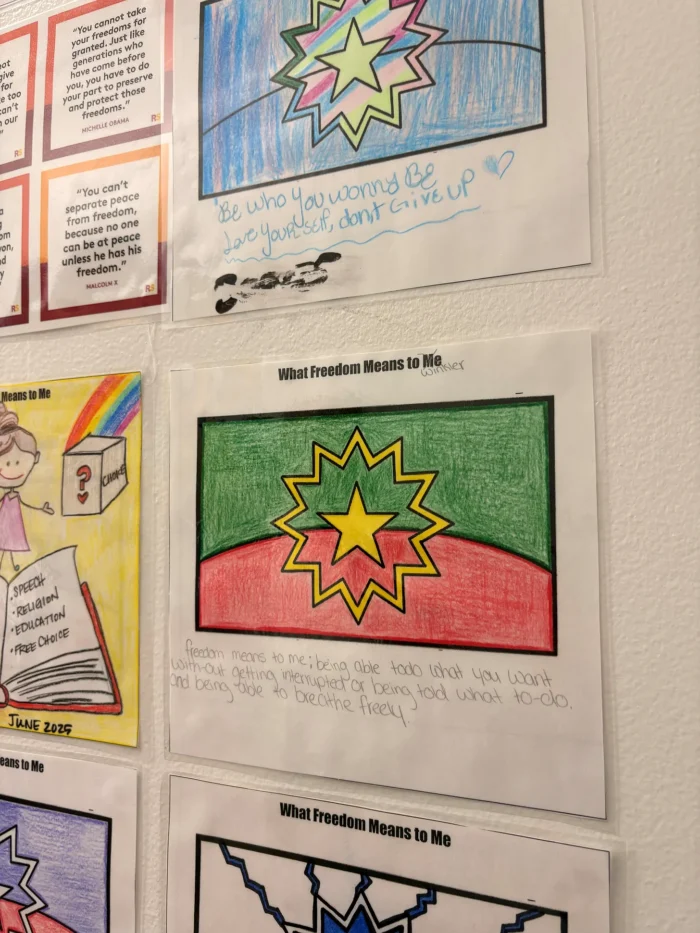
There is hope inside those walls. Every resident attends school, and most are working toward a Core 40 diploma. Just last month, five young women earned their diplomas. Others are gaining job skills in the kitchen and can earn food service certifications. Mental health care begins immediately, and recreation can never be taken away as punishment.
Healing from trauma is rarely straightforward. During our visit, two residents were separated for safety reasons and checked on regularly by staff. We also learned that some girls begin acting out as their release date approaches because home often lacks the structure and support they have come to rely on inside the facility.
Outside, the girls had planted flowers and vegetables. Their artwork lined the hallways. One message stood out to me: “Be who you wanna be. Love yourself. Don’t give up.”
When I asked what these young women need most, the answer was simple: mentors, stability, and adults who show up.
Nearly all of these girls will return to communities across Indiana. How we prepare them matters. So does prevention, which is where so many of your questions pointed. How do we intervene sooner? How do we keep kids connected to school? How do we identify victims of abuse and trafficking before they enter the justice system?
Those questions are not new. In 2020, Indiana created the Juvenile Justice Reform Task Force, and its work led to the creation of the Youth Justice Oversight Committee to continue improving outcomes for young people. Since then, Indiana has expanded behavioral health services, strengthened reentry planning, improved data collection, and adopted more consistent screening practices.
My visit to LaPorte reinforced something I have come to believe: rehabilitation begins on day one.
The conversations I had with staff, and the questions shared by constituents before my visit, will continue to shape my work in the legislature. Juvenile justice should hold young people accountable, but it should also recognize trauma, value education, support rehabilitation, and leave room for hope.
These young people are our future, and we all have a responsibility to help them write a different ending.
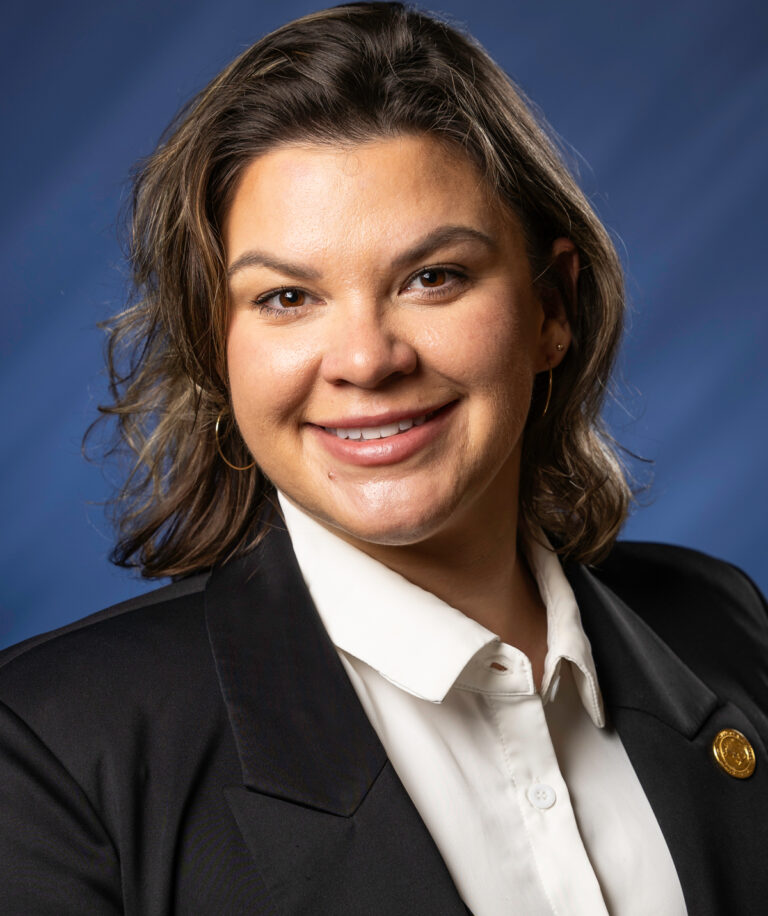
State Rep. Maureen Bauer, D-South Bend, was first elected to the Indiana General Assembly in November 2020. She is currently serves on the legislature’s Courts and Criminal Code Committee, Environmental Affairs Committee, Judiciary Committee and Public Health Committee. Also she serves as a member on the Public Defender Commission and as a board member for the Youth Service Bureau.
The views and opinions expressed are those of the author only and do not necessarily reflect the views of The Indiana Citizen or any of its affiliated organization.