By Christine Bizzell
May 20, 2026
During a recent observation of a 2nd grade classroom, I listened closely as a student named Luna struggled to read simple words—like bait and train—in a short paragraph. As our school’s Literacy Cadre Coach, my job isn’t just to work with students like Luna. It’s to work with her teacher to build a roadmap for every student’s success.
It was clear that Luna’s teacher and I needed a deeper diagnostic reading assessment to identify exactly where Luna’s decoding was breaking down. In many schools, this is where momentum can stall. A coach might suggest a deeper dive, only to be met with “we don’t have the time” or “let’s wait and see,” but at my school, the conversation was different. Because our principal voluntarily completed the same evidence-based literacy training as required of the team (K-5 teachers), we were speaking the same language. The decision to dig into the “why” behind Luna’s difficulties wasn’t a bureaucratic debate; it was the logical next step.
In my role, I oversee literacy efforts across the building, primarily for grades K-3. I help teachers analyze data and refine their instruction. Together, we implement strategies like “Ask-Then-Tell,” a collaborative partner reading method that empowers students to support each other through reading tricky words or “Tap-Map-Zap”—a multisensory way to help students move words from their temporary memory into their permanent vocabulary—to practice sounding out words and blending them together effortlessly.
But a coach’s expertise is only as effective as the school’s structure allows. According to research from the Wallace Foundation, effective principals are second only to teachers in their impact on student achievement. When a principal understands the science of reading, the entire culture shifts. Professional learning isn’t a one-off workshop, it becomes a consistent, school-wide language. The principal ensures the literacy block is sacred. Teachers have the high-quality materials they need and when I recommend a specific intervention, my principal doesn’t just allow it, they champion it.
Indiana is currently witnessing a historic leap in literacy. Recent data shows the largest single-year increase in reading proficiency since the launch of the IREAD assessment in 2013. We are proving that when we focus on the five pillars of literacy—phonemic awareness, phonics, fluency, vocabulary, and comprehension (the essential components of Scarborough’s Reading Rope)—children win.
But our administrators remain the missing link. While K-3 teachers and coaches are now required to earn an early literacy endorsement, the people who evaluate them and set the school’s priorities are not. We are mandating a sophisticated “playbook” for teachers while leaving the “head coach” in the dark. The time has come for all administrators supporting literacy instruction to take part in the same literacy professional learning required of their staff.
The tools for this transition are already at our disposal. Resources like The Reading League, Lexia Learning, Keys to Literacy, and the Indiana Learning Lab offer the support principals need to strengthen their instructional leadership. To bolster support even more, Indiana could follow the lead of states like Ohio, Mississippi and Kentucky by establishing online literacy platforms to provide science of reading training for everyone from educators to families.
By offering administrators the option to earn a literacy endorsement or receive credit toward license renewal, we create a school culture that prioritizes learning at every level.
By the middle of third grade, Luna was reading at grade level, including paragraphs and pages of a book about turtles and sharks. Watching her beam with excitement as she reads independently is the ultimate proof that our system works. Luna’s success wasn’t an accident. It was the result of a teacher with the right tools, a coach with the right strategy, and a principal with the right training to empower us both. Indiana’s literacy transformation will never be complete until our leaders are standing on the same foundation as our teachers.
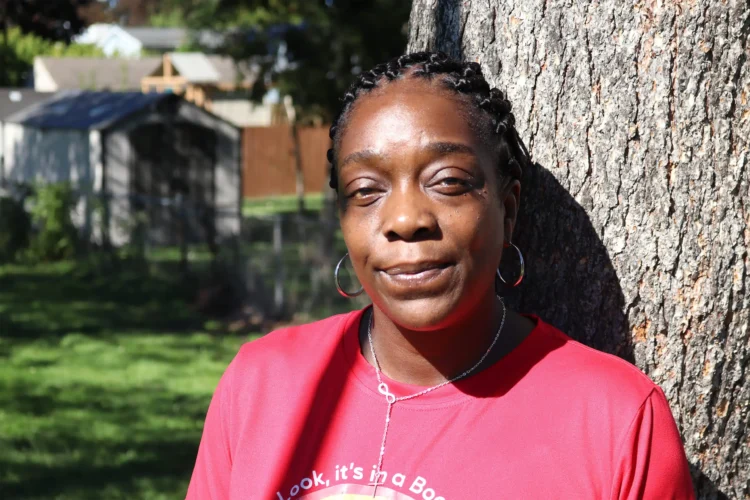
Christine Bizzell is a K-3 Literacy Coach at Christian Park Elementary School in Indianapolis and a 2025-2026 Teach Plus Indiana Senior Policy Fellow. The views and opinions expressed are those of the author and do not necessarily reflect the views of The Indiana Citizen or any other affiliated organization.