This article was originally published by Votebeat, a nonprofit news organization covering local election administration and voting access.
By Nathaniel Rakich
Votebeat
Votebeat is a nonprofit news organization reporting on voting access and election administration across the U.S.
This news analysis was originally distributed in Votebeat’s free weekly newsletter. Sign up to get future editions, including the latest reporting from Votebeat bureaus and curated news from other publications, delivered to your inbox every Saturday.
Presidential and congressional races get all the attention, but if you care about how elections are run, there’s a whole other set of elections you need to get hip to.
This fall, voters will elect the next chief election officials — usually, but not always, the secretary of state — in 24 states. (If you’re thinking that it’s a bad idea for the people who run elections to run in elections, take it up with those states’ constitutions.) And another five will be indirectly determined by the midterm results.
The stakes are high: The winners of these contests will oversee the 2028 presidential election in an environment in which election administration has become increasingly politicized. Several of these posts could flip between Democrats and Republicans, but don’t sleep on the safe seats either: Due to retirements, at least 10 states will have a new hand on the election tiller next year.
With primaries and nominating conventions now afoot, we already have a decent idea of who some of those new election officials might be. Here’s a breakdown of which offices could turn over.
The most closely watched races will surely be in the presidential swing states. However, elections in North Carolina, Pennsylvania, and Wisconsin are run by appointees, not elected secretaries of state. That leaves the secretary of state elections in Arizona, Georgia, Michigan, and Nevada.
In Michigan, the race to replace Democratic Secretary of State Jocelyn Benson (who is running for governor) is already well underway. At a convention last month, Republicans nominated Macomb County Clerk Anthony Forlini, while Democrats nominated Lt. Gov. Garlin Gilchrist at their convention on Sunday.
In Arizona and Nevada, Democratic incumbents Adrian Fontes and Francisco Aguilar are running for reelection, and they’re both waiting to see what kind of Republican opponent they will face. In Arizona, state Rep. Alexander Kolodin was involved in the legal effort to overturn the 2020 election, but his primary opponent, former Arizona GOP Chair Gina Swoboda, has defended the state’s voting practices. And in Nevada, the Republicans with the highest name recognition are far-right former Assembly members Sharron Angle and Jim Marchant, but moderate Gov. Joe Lombardo has endorsed businesswoman Shirley Folkins-Roberts.
Georgia is the only Republican-held seat of the quartet, but incumbent Brad Raffensperger is now running for governor. The GOP candidates to replace him include Raffensperger staffer Gabe Sterling, who has vigorously defended the legitimacy of the 2020 election; former state Rep. Vernon Jones, who has claimed the 2020 election was stolen; and state Rep. Tim Fleming, a former deputy secretary of state under Brian Kemp. The Democratic field includes former Judge Penny Brown Reynolds and Fulton County Commissioner Dana Barrett, who defied a judge’s order by refusing to seat two Republicans whom she called election deniers on the county board of elections.
There may also be competitive races in some more surprising states.
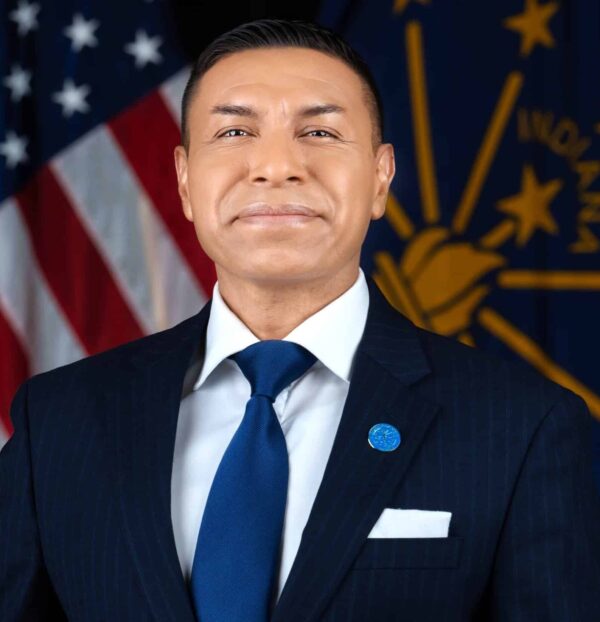
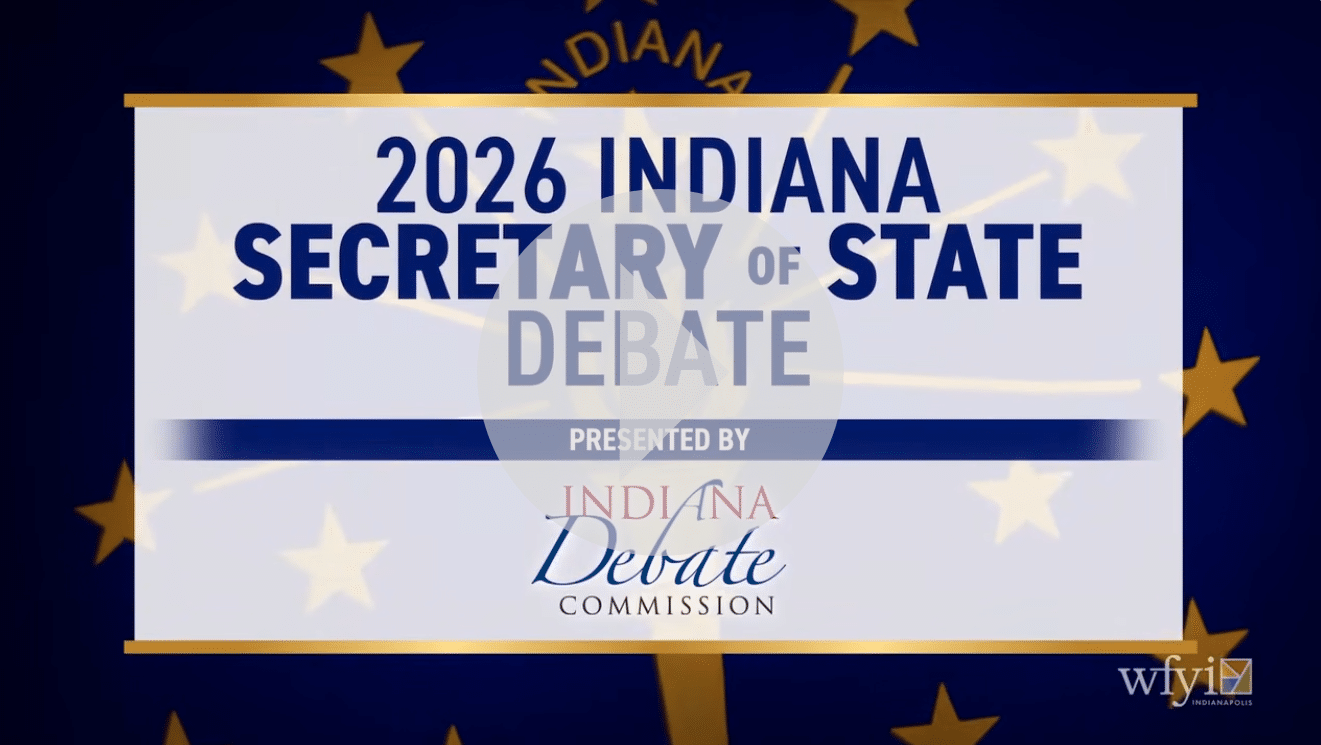
In Indiana, Secretary of State Diego Morales has been criticized, even by fellow Republicans, for mismanaging his office. If he can get past the two candidates challenging him for renomination, he could be vulnerable in November against Democrat Beau Bayh, the son of former Sen. Evan Bayh and grandson of former Sen. Birch Bayh, who led a campaign against the Electoral College.
In Ohio, the coattail effect from strong Senate and gubernatorial candidates could help Democrats in their quest to replace term-limited Republican incumbent Secretary of State Frank LaRose. Two Republicans and two Democrats are running in the May 5 primary.
And in Alaska, the lieutenant governor oversees election administration, meaning the state’s next chief election official will be determined by the outcome of the open-seat governor’s race. Thanks to the state’s unpredictable top-four primary and ranked-choice voting system, the new lieutenant governor could be a Republican, a Democrat, or even an independent.
Finally, the New Hampshire secretary of state position is unusual in that it is elected by the state legislature, not the voters. But the 2026 election could still indirectly cause the job to turn over. If Democrats win a majority of seats in the New Hampshire legislature, it could spell trouble for incumbent Republican David Scanlan.
Six other states will have new secretaries of state in 2027 because incumbents aren’t seeking another term. But these races aren’t expected to be competitive in the general election, meaning primaries will effectively determine who will oversee their elections for the next four years. The Republican contests will be especially important to watch, given the party’s split over whether U.S. elections are fundamentally secure or rife with fraud.
Wyoming Secretary of State Chuck Gray is one of the few sitting election officials who embrace the latter view, but he’s running for Congress this year. He endorsed state Rep. Rachel Williams, the chair of the hardline conservative faction in the state House, as his successor. Williams has made “ending ballot harvesting” a centerpiece of her campaign. The rest of the primary field is still taking shape, with only one other Republican currently in the race.
Alabama Secretary of State Wes Allen has similarly questioned the security of past elections but is now running for lieutenant governor. The front-runner to replace him, attorney Caroleene Dobson, says that Alabama still has “a lot of work to do when it comes to election integrity.” Dobson has proposed creating a division within the secretary of state’s office to investigate election fraud.
In blood-red Kansas, two Republicans are running to replace Secretary of State Scott Schwab, who’s campaigning for governor. State Rep. Pat Proctor, the chair of the House Committee on Elections, has championed several bills restricting voter access and decried what he sees as an “axis of ballot harvesting.” His opponent, state Rep. Ken Rahjes, has been more circumspect, saying, for example, he would have “a lot of questions” about the federal government intervening in elections.
And in Arkansas, where incumbent Cole Jester can’t run for another term, we already know who the next secretary of state is likely to be: state Sen. Kim Hammer, who won the Republican nomination last month. Hammer wasn’t the most conservative candidate in the primary, but he did make a name for himself sponsoring bills to limit the state’s ballot initiative process.
The list of open secretary of state seats in blue states is shorter, but Colorado Secretary of State Jena Griswold and New Mexico Secretary of State Maggie Toulouse Oliver are both running for other positions (attorney general and lieutenant governor, respectively). In Colorado, the Democratic contest is between state Sen. Jessie Danielson and Jefferson County Clerk Amanda Gonzalez. And in New Mexico, the primary features two county clerks: Santa Fe’s Katharine Clark and Doña Ana’s Amanda López Askin.
And just in case that wasn’t enough turnover: There’s also a decent chance that Florida and Maine get new secretaries of state, depending on the results of their gubernatorial races. In Florida, where the governor appoints the secretary of state, Gov. Ron DeSantis is term-limited — meaning that a new governor will be elected in November who could replace Republican Secretary of State Cord Byrd with their own choice. And in Maine, Democratic Secretary of State Shenna Bellows is hoping to be elected governor in her own right, which would require the legislature to elect a new secretary.
Nathaniel Rakich is Votebeat’s managing editor and is based in Washington, D.C. Contact Nathaniel at nrakich@votebeat.org.
Votebeat is a nonprofit news organization covering local election integrity and voting access. Sign up for their newsletters here.