By Abdul-Hakim Shabazz
Indy Politics
September 21, 2026
I took my vacation in Seattle this week, and I got five days of sunshine and 70 degrees. I packed for 55 and rain. The locals insist this never happens. I told them I bring my own weather. Meanwhile, back home, Indianapolis has apparently been converted into a sauna. Somebody forgot to tell the calendar it’s almost fall.
The coffee is better, the mountains are real, and you can walk into a store and buy basically any edible you want. But the longer I stayed, the more familiar the place felt. Not the weather. The politics.
Washington and Indiana are mirror images. Washington is a one-party Democratic state. Indiana is a one-party Republican state. And in both, the November general election has become a formality. The real fight happens inside the ruling party. In Seattle, it’s progressives versus moderates. In Indiana, it’s MAGA versus moderates. Different uniforms, same game, and in both states the moderates are the ones on the menu.
Seattle’s mayor’s race last year was that fight in its purest form. Incumbent Bruce Harrell, a business-friendly moderate Democrat, faced Katie Wilson, a democratic socialist transit advocate who had never held office. It wasn’t Democrat against Republican. It was Democrat against Democrat, and the question was what kind of Democrat Seattle wanted.
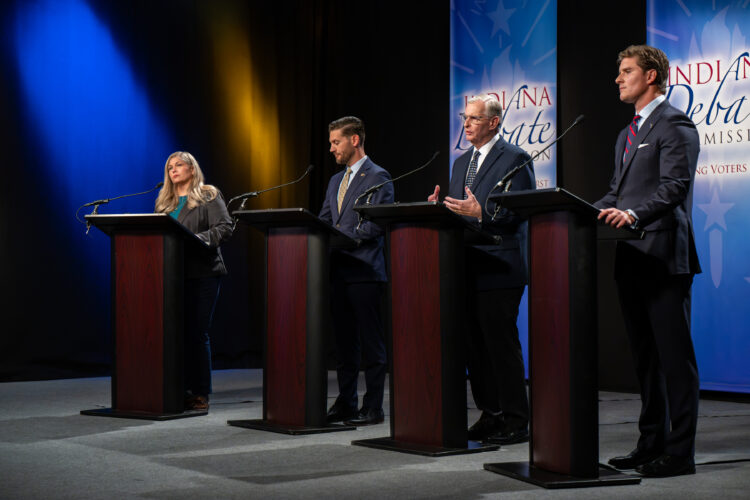
Indiana had its own version this spring. Senate Republicans who voted against mid-decade redistricting found themselves targeted by a Trump-aligned PAC and about $13 million in ads. Five of the seven targeted incumbents lost their May primaries. Senate President Pro Tem Rodric Bray won’t seek another term as leader. The GOP didn’t lose a single seat to a Democrat. It just replaced a chunk of its own caucus.
Here’s where the two states split, and it comes down to how people vote.
Washington votes entirely by mail. Every registered voter gets a ballot at the kitchen table, and it counts as long as it’s postmarked by Election Day. On election night, Harrell led by about seven points. One national election outfit called the race for him, then took the call back the next day. Then the late ballots rolled in, day after day. Eight days after the polls closed, Wilson won by about 2,000 votes.
Wilson’s explanation: older voters mail their ballots in as soon as they arrive, while younger voters wait until the last minute, and the young ones were hers. Turnout topped 55%. The progressive wing won because the system made it easy for its voters to show up, even late, even lazy.
Now look at Indiana. Statewide turnout in the May primary was 17%. In a one-party state, the primary is the election. That means fewer than one in five registered Hoosiers decided who runs the Statehouse. When the electorate is that small, the side with the most motivated voters and the most money wins. This year, that was the MAGA wing. Moderates didn’t lose the argument. They lost the turnout.
And our election rules don’t help. To vote by mail in Indiana, you need an excuse, and you swear to it under penalty of perjury. You’re out of the county, you’re confined by illness, you’re caring for someone who is, or you’re 65 or older. You reapply every election. Your ballot has to physically arrive at the county election office by 6 p.m. on Election Day, postmark or no postmark.
Look closely at that list. The one group that gets to vote by mail with no questions asked is the group that already votes the most: seniors. The 30-year-old working a double shift needs the state’s permission. His grandmother doesn’t. We’ve built a system that makes it easiest for our most reliable primary voters and hardest for everyone else, and then we act surprised when primaries get decided by the loudest people in the room.
The Hoosier way does have a real case. We know who won before the late news, not eight days later. And when mail-ballot fraud happens, mail is how it happens. Just ask East Chicago, where the Indiana Supreme Court threw out a 2003 mayoral primary over bought absentee votes, and 46 people were convicted. But that fraud is rare, and it’s local. It got caught by investigators and a judge, not by the excuse list, which was already in place.
The U.S. Supreme Court ruled in June that states can decide for themselves whether to count ballots postmarked by Election Day that arrive afterward. So Indiana’s rules are Indiana’s choice. There’s a middle ground: allow no-excuse absentee voting, keep the Election Day receipt deadline so results come in on time, and let clerks process mail ballots early. That gets you more voters without the eight-day hangover.
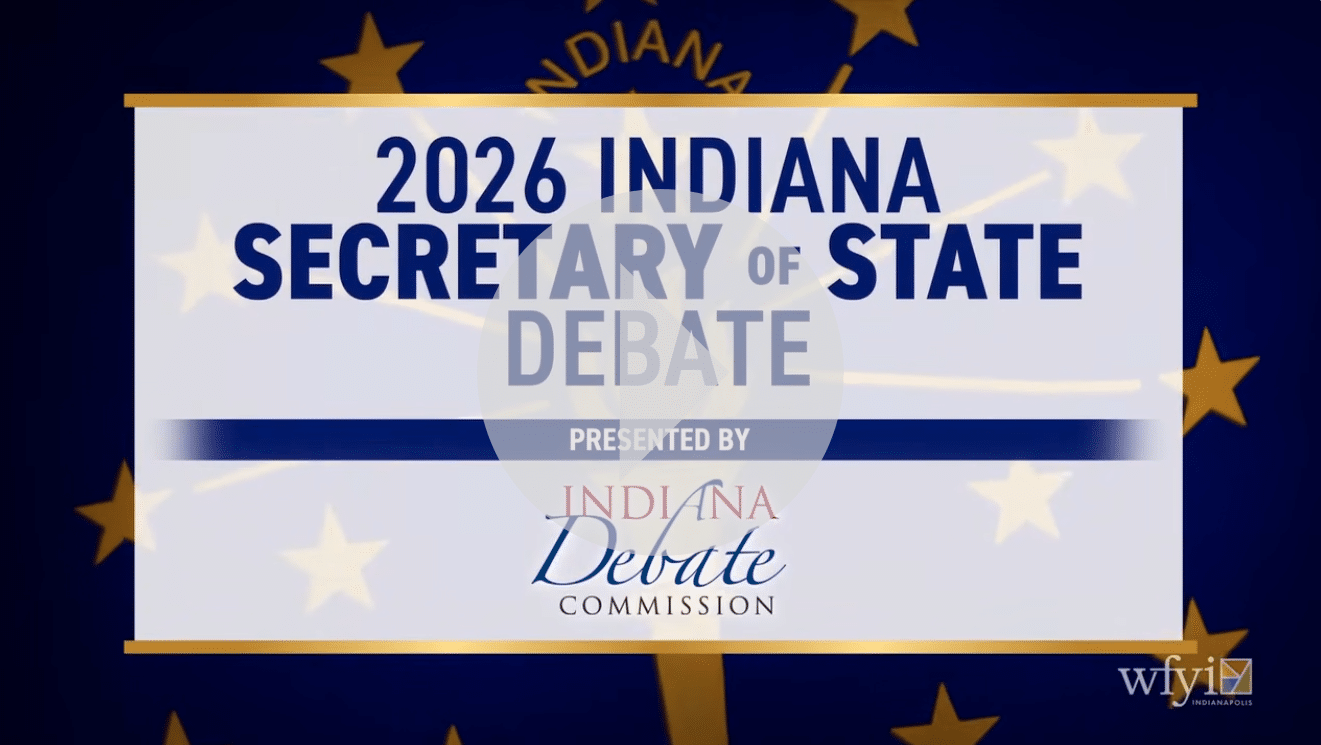
This matters now. This November, Hoosiers pick a secretary of state, the official who runs our elections, in a four-way race that includes a former Republican mayor running on a third-party line. That alone tells you where the moderates in this state feel they stand.
Here’s the irony. Seattle made voting easy, and the establishment moderate lost anyway. Indiana makes voting hard, and the establishment moderates lost anyway. Easy voting didn’t save the center out there, and hard voting didn’t save it here. The difference is that in Seattle, more than half the city made the call. In Indiana, 17% did. If the center is going to lose, it ought to at least lose in front of a crowd.
Seventy and sunny, with a legal edible on every corner and a ballot in every mailbox. Back home, it’s a sauna, and you need a note from your doctor to vote from your couch. You can’t have everything.
Abdul-Hakim Shabazz is the editor and publisher of IndyPolitics.org and an attorney licensed in Indiana and Illinois. He ran for mayor of Indianapolis in 2023 and finished second in the GOP primary, so he knows exactly how small a primary electorate can feel.
The views and opinions expressed are those of the author only and do not necessarily reflect the views of The Indiana Citizen or any other affiliated organization.