By Rev. Philip Amerson and Dr. Charlie Nelms
October 1, 2026
As two Hoosiers—one Black and one White—we write from the vantage point of 80 years of life and a shared commitment to a more equitable and inclusive America. Our younger selves could scarcely have imagined the changes we have witnessed. Yet we also know that progress is neither inevitable nor self-sustaining.
Our friendship is rooted in lives devoted to justice. One of us grew up in the segregated Arkansas Delta, where his parents paid a poll tax to vote. The other grew up in Indiana, where de facto segregation was the norm and nonwhite residents faced the bigotry and violence tolerated in so-called “sundown towns.” As octogenarians, we remember doors closed to nonwhite people by law and custom. We also remember those who pushed those doors open.
Our careers have taken us to many places, but Indiana has remained our home. Here, we have been privileged to serve in leadership roles shaped by deep commitments to higher education and governmental transparency.
We remember the “Whites Only” signs of our childhood, and as young men we celebrated the passage of the Voting Rights Act of 1965. Since then, we have watched its implementation follow a long, uneven, and tortuous path. Today, gerrymandering threatens full representation in our democracy, while disruptions to the normal functions of the U.S. Postal Service and the U.S. Census Bureau jeopardize the participation of all citizens.
Attacks on free access to the polls are accompanied by an erosion of the values and institutions that sustain democracy. Diversity, equity, and inclusion initiatives are belittled and dismantled. Cruelty, vulgarity, and disinformation debase the public service entrusted to state and national officials.
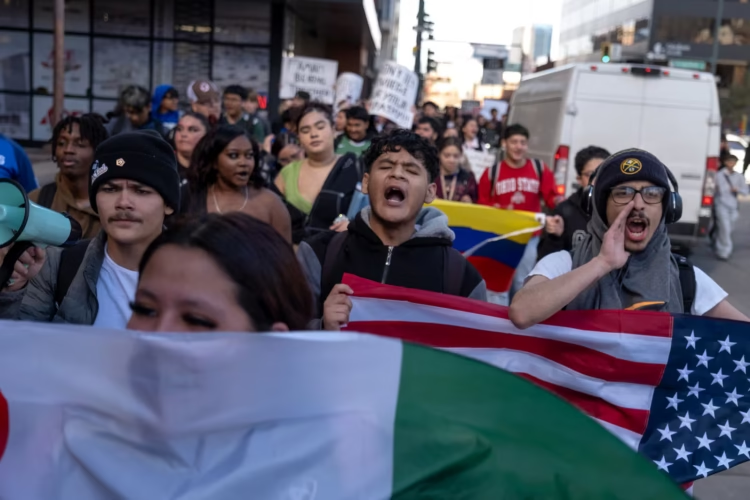
Immigrants live in fear as tens of thousands are detained without trial, adequate medical care, or access to loved ones. Detentions and deportations proceed without judicial oversight. Some detainees are sent to third countries where the language and culture are unfamiliar, while Haitian immigrants have lost Temporary Protected Status.
Freedom of the press is challenged, liberty of worship is attacked and routinely subverted, and constitutional limits are tested daily. Yet many leaders in Congress, corporations, universities, and other trusted institutions remain silent. Silence may feel safe, but history reminds us of its deferred cost.
At 80, we might be tempted to leave these struggles to future generations. We choose instead to speak out, because democracy is not a spectator sport and citizenship has no retirement plan. Our lives, words, actions, and votes will help shape the world future generations inherit.
We must speak, and we must vote. We must let freedom ring. We owe this to those who paved the way—some at the cost of their lives—and to those who will come after us. Silence is not an option.
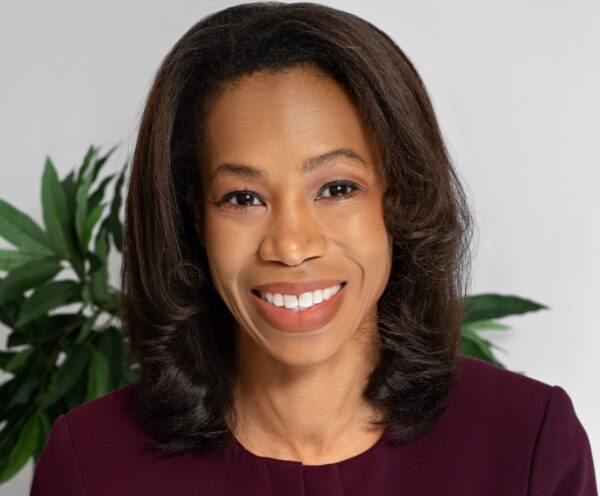
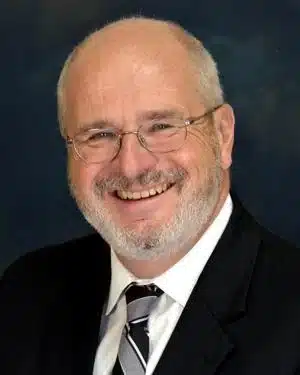
Rev. Philip Amerson is president emeritus of the Garrett-Evangelical Theological Seminary in Evanston, Illinois. Dr. Charlie Nelms is chancellor emeritus of North Carolina Central University, in Durham, North Carolina. Both live in Bloomington, Indiana. The views and opinions expressed are those of the authors and do not necessarily reflect the views of The Indiana Citizen or any affiliated organization.