Those high prices are affecting all U.S farmers, especially around harvest time, but they have had a major impact on smaller farmers.
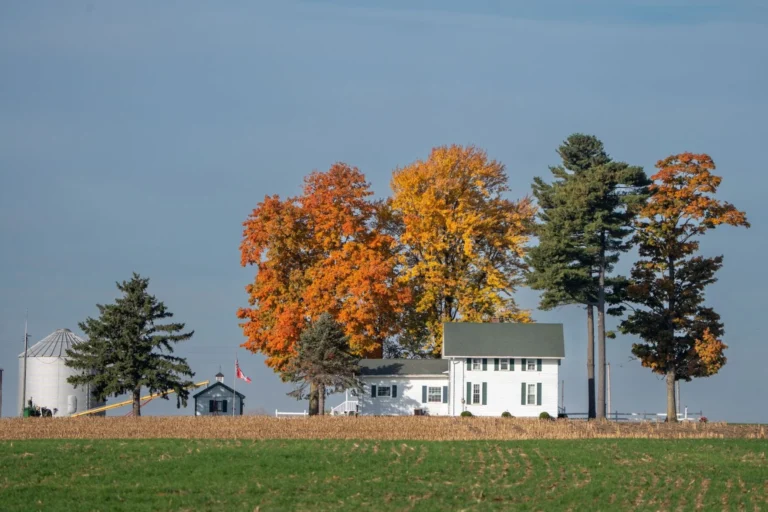
Mark Zigler, 66, has been farming his 345 acres in Edinburgh with his brothers since their dad passed away when Zigler was 32.
“I grew up farming, and the farm has been in the family since 1894,” Zigler said, “and so that’s how long we’ve been around at the same place.”
Zigler said he loves the challenge that comes with farming, but when it’s getting expensive to fill all the farming equipment he needs, it becomes a different story.
“It’s nice to get to put things in the ground and watch it come up and produce something,” Zigler said. “But, ya know, I ordered fuel around planting time and it was roughly $3.45, and then at harvest, it’s up to 6 or 7 bucks, and when you pull a combine around, you put about 100 gallons in it. You’re up to $600 in one machine.”
Zigler uses seven pieces of equipment weekly that require diesel fuel in order to keep his farm running.
“You don’t get to do the luxury things that you usually do, ya know, and nowadays you’re trying to pay the bills as you go because interest rates are also now crazy” he said.
Farming for Zigler looks very different today than it did when he first started out those 30 years ago.
“Fuel was one of those things that you didn’t even worry about then. You could leave the tractors running while doing this and that, and now you just shut it off no matter what,” Zigler said
“Another thing: Now you pull a combine up there, and you’re gonna put 100 gallons in it. You’re starting in the hole $600 at the beginning of the day, and now you gotta go to the field and see if you can’t make something to get that $600 back. Or now when you’re chopping cornstalks and you put $300 in it, you’re not making that back,” he said.
Even with recent tax relief measures that, among other things, allow farmers to have a tax deduction when they buy diesel, Zigler says it’s not making much of a difference.
“They tell you that you can run red fuel, but it doesn’t do much for all the equipment. And even if you do use it for, say, a semi, how long will they let it run ‘til they change their mind and you have an illegal fuel in your semi?” Zigler said.
Red fuel is dyed diesel that farmers use for their off-road machinery, like their tractors. The red diesel is not a taxed fuel because it’s typically not used in standard vehicles and, if caught using red dye in those vehicles, farmers can face a penalty or fine. However, because of the higher prices on diesel fuel, the penalties have been waived for farmers to use the dyed fuel in their vehicles like semis.
Although the high diesel prices have affected Zigler and his farm in many ways, he says the only thing he can do as a little farmer is just to keep paying and get his harvest in.