By Greta Lapp Klassen
The Indiana Citizen
September 15, 2026
Hoosiers United for the Separation of Church and State will be putting the spotlight on the growth of Christian nationalism in Indiana schools and at the Statehouse this Saturday, Sept. 19 at its second annual Larry Hayes First Amendment Forum in Fort Wayne.
Hoosiers United will bring together authors, academics and community leaders at the First Presbyterian Theater in downtown Fort Wayne. The forum will run from 9:30 a.m. to 1 p.m. and will feature author and religious scholar Randall Balmer as the keynote speaker. Balmer will be talking about the importance of the First Amendment, which he has dubbed “America’s best idea” in a recent book.
The forum will also feature a conversation between Balmer and legal scholar Sheila Seuss Kennedy about the rise in Christian nationalism, and a panel discussion with community leaders moderated by Bill Moreau, publisher of The Indiana Citizen.
Admission to the forum is free, but advanced registration is encouraged. More details can be found on Hoosiers United for Separation of Church and State’s website.
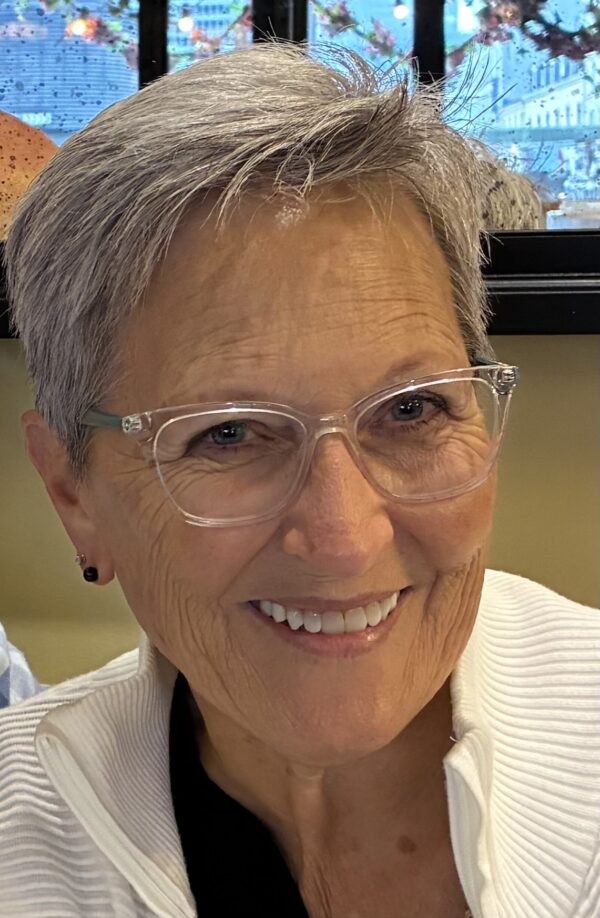
“It is our goal to help people better understand the rise of Christian nationalism in our country, and the decline of the separation of church and state,” Rebecca Reeder, president of the Hoosiers United board of trustees, said.
In a survey published in May, the Pew Research Center found some notable changes in the attitudes of U.S. adults toward the role of religion in government and public life.
Fifty-nine percent of Americans said they have heard of or read about Christian nationalism, which is a 14-percentage point increase from roughly two years ago, and the percentage of U.S. adults who support declaring Christianity as the nation’s official religion has risen from 13% to 2024 to 17%. A Feb. 2026 study by Public Religion Research Institute found that in Indiana, 37% of people either adhere or are sympathetic to Christian nationalism.
As support for Christian nationalism has grown, so too has Hoosiers United. In less than two years, the organization has matured from a study group of concerned individuals to a 501(c)(3) nonprofit, Reeder said. The group is loosely affiliated with the national group Americans United for Separation of Church and State, which was founded in 1947.
Hoosiers United is particularly concerned about the diminishing barrier between church and state in public schools in Indiana.
“We have some people that keep an eye on the things that are happening within schools, and help us to better understand the things that, on the surface, look harmless,” she said. “But as you start to dig into it and look at it with a microscope, you can really tell — this is Christian nationalism.”
Reeder said that Hoosiers United has “followed the path of legislation that’s been planned and successfully executed by the Christian nationalist element in the state.” This includes House Enrolled Act 1137, signed into law in 2024, which requires schools to allow release time for religious instruction.
One organization that has benefited from the new law is Lifewise Academy, a Christian education program that takes students out of the classroom and school grounds for religious instruction each week. As of 2025, Lifewise Academy has a presence in all 92 counties in Indiana.
Secular Education Association has created an interactive map showing Lifewise programs across the country. The association’s executive director, Molly Gaines, will be participating in the panel discuss on Saturday.
Hoosiers United is also working on a digital database that will break down the voting records of different elected officials in Indiana by whether or not they are supporting Christian nationalist legislation. While the database is still being developed, Reeder says it will be live in the coming months.
Various Indiana politicians have not shied away from their Christian nationalist aims in recent years. Lt. Gov. Micah Beckwith has said that he would like Indiana lawmakers to be required to profess their belief in “Judeo-Christian Orthodoxy” and that Islamic calls to prayer should be banned because “Church bells are a part of American culture and history. Islamic calls to prayer are not.” He has embraced the title of Christian nationalist, making him the most senior elected official in the country to do so.
Beckwith is not the only high-ranking Indiana politician aligning with Christian nationalist ideals. Attorney General Todd Rokita has said that the separation of church and state is “a myth, and Sen. Gary Byrne, R-Byrneville, has authored several bills supported by Christian nationalists that havve been signed into law, including measures that have outlawed gender affirming medical care, introduced partisan school board elections, and took aim at practices related to diversity, equity and inclusion.
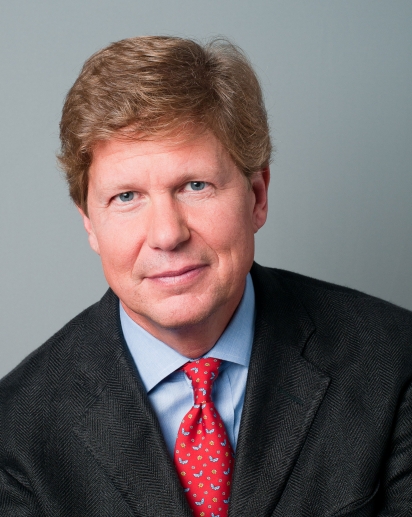
Balmer, an Episcopal priest and professor of religion at Dartmouth College, will provide historical context to help attendees understand how politicians like Beckwith and Rokita are able to serve in public office while advocating for Christian nationalist policies.
Reeder hopes that the forum will help Hoosiers recognize religious authoritarianism wherever they might see it. “There’s religious authoritarianism all over the world,” she said, “but in our country, it personifies as white Christian nationalism.”
In addition to Gaines for the Secular Education Association, other panelists will include Laura Jacobs from Fuerza Unida, Harriet Miller of the Fort Wayne Women’s Bureau and Run Jane Run and Nikki Fultz from Fort Wayne Pride. Also, Josh King from Alive Community Outreach will be participating in place of Bri Andrews, a mental health and community advocate.
Reeder emphasized the importance of like-minded individuals gathering together to learn about the challenges facing democracy in Indiana.
“We hope that [attendees] can get some feeling of hope and resolve by being in the same room with people that agree with them,” she said. “That’s not often something that we get to experience in Indiana. There’s a lot of strength and power that comes from that.”
Greta Lapp Klassen is a paralegal and freelance journalist based in Indianapolis.
The Indiana Citizen is a nonpartisan, nonprofit platform dedicated to increasing the number of informed and engaged Hoosier citizens. We are operated by the Indiana Citizen Education Foundation, Inc., a 501(c)(3) public charity. For questions about the story, contact Marilyn Odendahl at marilyn.odendahl@indianacitizen.org.