By Marilyn Odendahl
The Indiana Citizen
March 26, 2026
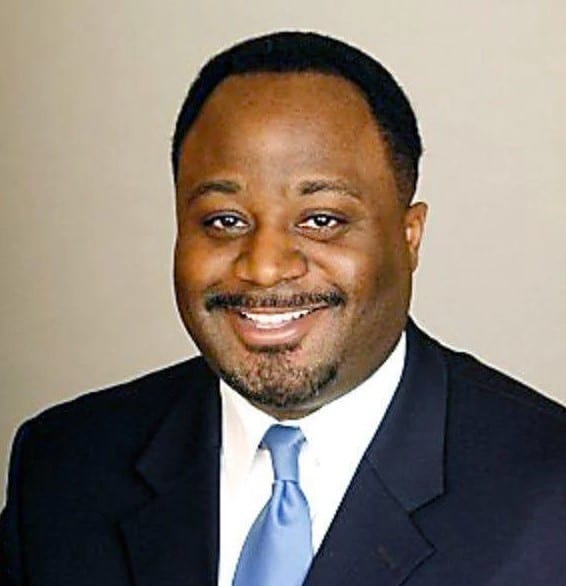
Shortly after being given the power to keep a judge off the ballot, the Marion County Judicial Selection Committee did just that on March 13 by finding longtime Marion County Superior Court Judge Gary Miller unsuitable for retention.
This was the first time the committee could actually remove a judge from the November ballot due to a new state statute, included in House Enrolled Act 1033, that took effect when Gov. Mike Braun signed it into law on March 4. Previously, the committee could only recommend against retention and leave the decision to the voters.

Miller, first seated on the bench in 1990 and currently presiding in the criminal division, effectively had his judicial career ended when all 14 members of the Judicial Selection Committee voted against his retention. Miller will be able to complete his current term, which expires on Dec. 31, 2026. The process to appoint a new judge to fill the vacancy will begin at a later date, according to the Indiana Supreme Court.
Another Marion County jurist, Judge Geoffrey Gaither of the family division, barely made the cut by one vote. His name will appear on the ballot in November and voters will determine whether he should remain on the bench for another six years.
The committee and the Indiana Supreme Court did not provide any more comment about Miller or details about the process other than what was issued in a press release. Miller did not respond to a request for comment and Gaither declined to comment. The Marion County Superior Court and the Indiana Bar Association also declined to comment.
Joel Schumm, professor of law at Indiana University Robert H. McKinney School of Law in Indianapolis, attended the retention interviews, which were held in the Indiana Supreme Court’s conference room on March 13. He has watched as the retention process has become more rigorous over the years. The committee members in this latest round of interviews asked each judge substantive questions and the application the judges were required to complete provided the opportunity for insightful and detailed responses.
Sixteen judges were interviewed and 14 were found suitable in a unanimous vote by the committee. Schumm said a disappointment in the whole process is that all the good work happening in the Marion County Superior Court is being overshadowed by the committee finding one judge unsuitable.
“I think it’s fair to say the majority of people had very strong interviews and that we should be proud of the bench we have in Marion County,” Schumm said. “A lot of (the judges) gave, I thought, really thoughtful answers and have done really wonderful things for the court.”
The retention process extended well beyond the public interview and review of each application. Committee members met privately with the judges, observed proceedings in their courtrooms, spoke with references and reviewed feedback from local attorneys. Also, the members discussed with the executive director of the Office of Judicial and Attorney Regulation the judges’ compliance with the Indiana Code of Judicial Conduct.
From the start, Miller’s interview was strained, according to Schumm. Justice Derek Molter, chair of the selection committee, opened by noting Miller’s application was two weeks late and asking why it was submitted after the deadline.
Miller’s response and his replies to subsequent questions were short and “not at all thoughtful or judicial,” Schumm said. Although he was polite, Miller did little to expound on the terse answers that he provided on his written application and, at one point, even criticized the questions on the application.

During a discussion about virtual proceedings, Miller told the committee that whether he was in his chambers or “on the beach in Maui” did not matter when conducting a remote hearing. Schumm said the Maui comment “borders on cringe-worthy.”
The responses Miller wrote on his application were brief.
For example, when asked to discuss a significant matter that had been entrusted to him, Miller wrote, “All my cases are significant. I have many personal experiences entrusted to me that are confidential and remain confidential.” Also, asked to describe his efforts to improve efficiency or reduce delays on his docket, Miller wrote, “I review computer generated reports of caseload data and prioritize older cases.”
Comparatively, the responses on other judges’ applications included describing how a decision was made to allow the media to bring cameras into the courtroom during a high-profile jury trial and the work being done on a pilot project to expedite appeals of mental health commitments from Marion County. Also, answering the question about improving efficiency, one judge detailed his use of case-management dashboards and AI technology.
Gaither was voted unsuitable by eight members of the committee, one shy of the nine-vote threshold required under statute to find a judge ineligible to be retained. While committee members gave him multiple opportunities, he did not provide more complete answers or talk about what he was doing to address specific problems. Instead, Schumm said, Gaither basically stuck with, “You should trust me, I’ve been a judge for a long time.”
In his written application, Gaither revealed he is under investigation by the Indiana Commission on Judicial Qualifications related to six motions filed against him for delays in rulings. He wrote that he is cooperating fully and views the investigatory process “as part of the accountability structure that protects the integrity of the judiciary.”
Gaither’s application also shows he has been very active doing judicial outreach in the community. He has participated in panel discussions, met with students, served as a keynote speaker and given presentations. In addition, he has taught college courses on the legal system.
Schumm speculated committee members retained Gaither because he seems to enjoy being a judge and has done so much outreach. Even so, Schumm noted the judge seemed to have a lot of excuses when talking about a new computer system, saying it was difficult to learn and the training was inadequate.
“(Gaither’s response), to be honest, is kind of unsettling to me, as someone who’s represented people who get their probation violated for not understanding rules,” Schumm said, explaining that defendants often get little sympathy from the court when they are confused about the rules they are expected to follow. “(Yet, here was) a judge sort of making excuses for why (he’s) not following pretty basic rules.”

HEA 1033, authored by Rep. Danny Lopez, R-Carmel, outlines the qualities and background that the committee should consider when deciding whether to recommend a judge for retention. The statute includes such factors as law school record, legal experience, public service, improving the administration of justice, judicial temperament, sound judgment, ability to compromise, patience and decisiveness.
For judges who are found unsuitable for retention, the statute does not provide any mechanism for immediate removal. Instead, those judges will serve through the remainder of their term and then be replaced through the judicial selection process, which ends with the governor appointing a new judge from the list of candidates recommended by the committee.
The 15 judges found suitable for retention will be on the November ballot and voters in Marion County will have the final say on who is retained or not retained.
Judges serve six-year terms and the new law takes an all-or-nothing approach to retention, Schumm said. So, if Judge Gaither, who was one vote from being removed, is retained, he will be on the bench for another six years with little oversight. Schumm would like to see some process for checking-in on the judge’s job performance or providing a correction during the term, which would allow any issue or problem to be addressed sooner, rather than not being able to do anything until the end of the six years.
Also, Schumm was unsure about giving the selection committee the authority to remove a judge from the retention election. Miller is the first, since “nowhere else has this happened in Indiana,” he said.
A potential argument for having the committee make the decision, Schumm said, is that voters have little information or understanding of the courts and the judiciary, so choosing at the polling place who should be retained can be difficult. Moreover, the electorate can get stirred up about a single ruling, which gives them a warped view of a judge’s ability to administer justice, he said.
Noting that typically every judge in retention elections is retained, Schumm expects voters would have kept Miller on the bench if his name were on the ballot.
“I commend the commission,” Schumm said, noting the members took a holistic approach by looking at each judge’s entire record and conduct by asking about case management, ethics and plans for coming years.
“It’s not partisan, it’s not secret,” Schumm said of the retention process. “I thought everybody there was thoughtful.”
The 15 judges who will appear on the November ballot for retention are as follows:
Correction: This article has been updated to clarify Judge Miller’s and Judge Gaither’s responses to the selection committee.
Dwight Adams, an editor and writer based in Indianapolis, edited this article. He is a former content editor, copy editor and digital producer at The Indianapolis Star and IndyStar.com, and worked as a planner for other newspapers, including the Louisville Courier Journal.
The Indiana Citizen is a nonpartisan, nonprofit platform dedicated to increasing the number of informed and engaged Hoosier citizens. We are operated by the Indiana Citizen Education Foundation, Inc., a 501(c)(3) public charity. For questions about the story, contact Marilyn Odendahl at marilyn.odendahl@indianacitizen.org