By Marilyn Odendahl
The Indiana Citizen
April 2, 2026
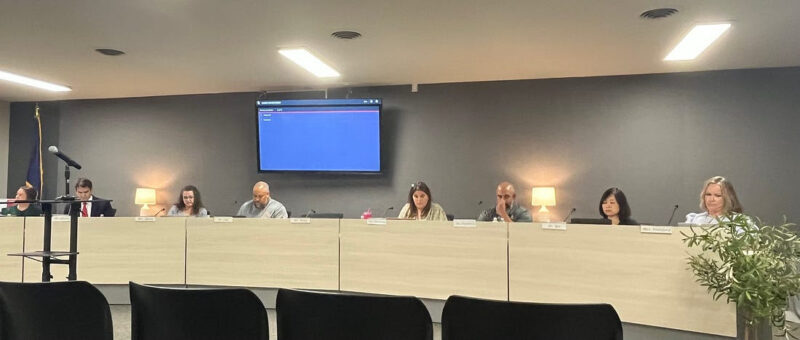
The dispute over Alexandra Wilson’s candidacy in the state Senate District 38 race is going back to the Indiana Election Commission.
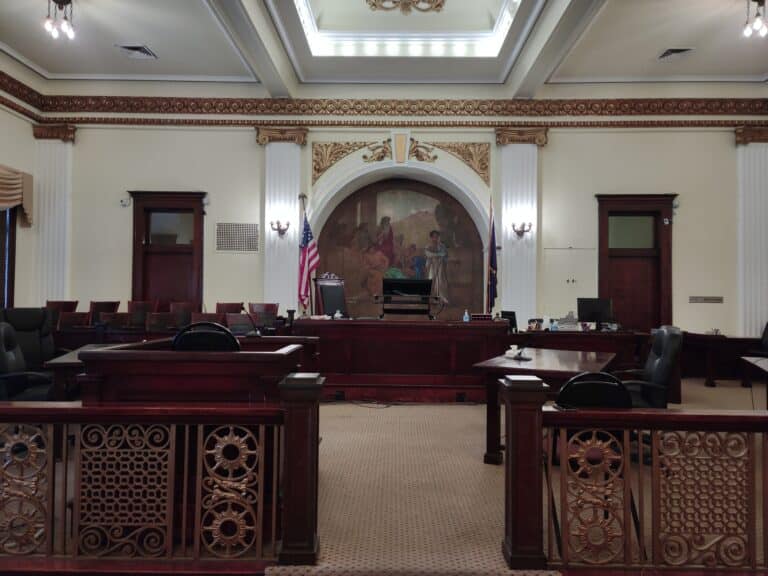
Putnam County Superior Court Judge Charles Bridges issued the order Wednesday. He remanded the matter to the Election Commission, so the members could consider whether the expungement Wilson obtained last week has any impact on her eligibility to run for elected office.
Bridges wrote that sending the case back to the IEC “is appropriate because circumstances of the case have changed. The Indiana Election Commission has not had an opportunity to consider Wilson’s notice of expungement and whether her candidacy is disqualified in light thereof.”
The order does not include any deadline for the Election Commission to reconvene and rule on the expungement.
Attorney James Bopp, representing Jeffrey Gallant, an attorney in his office and voter in Vigo County, challenged Alexandra Wilson’s candidacy shortly after she filed in February. Wilson is running in the Republican primary against the incumbent, Sen. Greg Goode, and Brenda Wilson, another challenger, who has been endorsed by President Donald Trump.
In a statement to The Indiana Citizen, Bopp said he has just asked the Election Commission to schedule an immediate hearing, underscoring the urgency for the matter to be settled. Absentee ballots are being mailed and early voting starts April 7.
“The Commission should meet immediately and uphold the challenge to her candidacy,” Bopp said in an email.
Bopp has alleged Alexandra Wilson’s run for the Statehouse is political trickery meant to ensure that Goode wins the primary. Voters in Senate District 38 will be confused by seeing two candidates with the same last name on the ballot and some will mistakenly cast their ballot for Alexandra Wilson when they wanted to vote for Brenda Wilson, he said.
Before the Election Commission in February, Bopp argued that Alexandra Wilson was disqualified from running for office because of her 2010 guilty plea for resisting law enforcement, which is a Class D felony. He argued that under state statute, Wilson cannot be a candidate because she was charged and convicted of a felony. However, Samatha DeWester, Wilson’s attorney, asserted her client does not have a felony conviction, because the charge was reduced to a Class A misdemeanor before she signed the plea agreement.
The Election Commission deadlocked 2-2 which allowed Wilson to remain on the May ballot.
Bopp then filed a petition for judicial review of the IEC’s ruling and at the March 24 trial court hearing on the merits of the case, DeWester presented the expungement. She argued the dispute over whether her client pleaded guilty to a felony or a misdemeanor was moot since the criminal record no longer exists. Bopp countered that the expungement was not relevant and should not be considered by the court, because it was obtained after the IEC had ruled.
In his statement to The Indiana Citizen, Bopp reiterated his argument that Wilson’s expungement has no impact on this case.
“Wilson’s eligibility to be a candidate is determined when she declared her candidacy on February 5th by filing her CAN-2 Declaration of Candidacy,” Bopp said in an email. “At that time, she had been convicted of a felony and was disqualified from being a candidate. The expungement of her felony conviction more than six weeks later is not retroactive and is thus irrelevant.”
However, DeWester has argued the commission’s decision should be upheld. Bopp, she said, has not shown how his client is harmed by leaving Alexandra Wilson on the ballot.
“The judge understands that there’s really no issue,” DeWester told The Citizen, noting the order did not mention any other issue or concern about Wilson’s eligibility. “He remanded it back (for the IEC) to look at the expungement, but that’s it. That’s the only instruction.”
The Indiana Attorney General’s office, which is representing the Election Commission in the case, did not respond to a request for comment on the order.
Dwight Adams, an editor and writer based in Indianapolis, edited this article. He is a former content editor, copy editor and digital producer at The Indianapolis Star and IndyStar.com, and worked as a planner for other newspapers, including the Louisville Courier Journal.
The Indiana Citizen is a nonpartisan, nonprofit platform dedicated to increasing the number of informed and engaged Hoosier citizens. We are operated by the Indiana Citizen Education Foundation, Inc., a 501(c)(3) public charity. For questions about the story, contact Marilyn Odendahl at marilyn.odendahl@indianacitizen.org