By Marilyn Odendahl
The Indiana Citizen
March 17, 2026
Common Cause Indiana is pushing to have the lobbying reform ideas that were included in Senate Bill 267 – dubbed the “paid protester bill” – assigned to one of the General Assembly’s interim study committees for further review.
In a letter sent to the nonprofit’s supporters last week, Common Cause Indiana Executive Director Julia Vaughn said SB 267 was “misguided,” but it did raise “legitimate questions about the need for more transparency about lobbyists and the money they spend” in the legislature. She then called upon the organization’s donors and advocates to contact the members of the Legislative Council and ask them to add the topic of “increasing lobbying transparency” to a study committee.
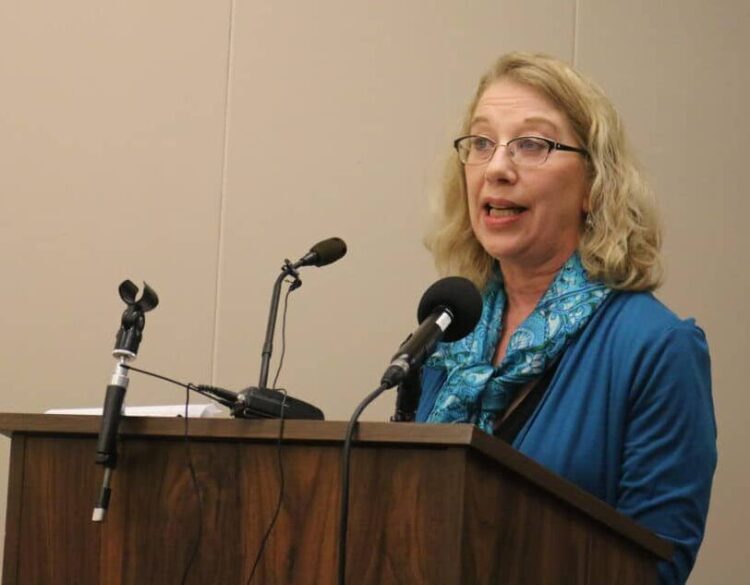
“This is the perfect issue for an interim study committee to tackle because it’s complicated,” Vaughn wrote in the letter.
Senate Bill 267 required individuals who pay at least $500 to fund an “influence campaign,” which included compensating others to “rally, gather, demonstrate, engage, or confront,” a state legislator, legislature employee or government official, to file an influence campaign report with the Indiana Lobby Registration Commission. The legislation was seen as a response to the unproven narrative that people who protest at the Statehouse – especially those who pushed back hard on redistricting – were not there of their own will but rather were paid to wave signs and chant slogans.
The Senate Elections Committee passed the bill, but even some of the lawmakers who voted to send the measure to the upper chamber expressed some trepidation, saying more work on the language needed to be done.
Sen. Scott Alexander, the author of SB 267, said he opted not to take his proposed legislation to the Senate floor because he was still undecided as to what the provisions should include. He is continuing to work and has made changes so significant that, he said, the bill is not the same as was introduced.
Alexander, R-Muncie, declined to share what is currently in the draft bill, but he indicated the focus was on elections and the use of artificial intelligence to create misinformation about candidates. Consequently, he was noncommittal about making SB 267 a topic for a study committee.
“The bill has changed so much that I don’t know that (it’s) the same bill,” Alexander said. “I’d probably have a question mark on whether or not a summer study on (SB) 267 helps us more forward.”
Vaughn described the original SB 267 as “a mess” and “misdirected” and said it had “real constitutional problems,” but she had hoped the measure would prompt a conversation among legislators about the activities of lobbyists in the Statehouse.
The last significant update to the lobby laws appears to have been in 2015 when the legislature passed House Enrolled Act 1002, an ethics bill, that was authored by former House Speaker Brian Bosma, R-Indianapolis. Vaughn said she would like to see lawmakers take a deeper look into who is trying to influence the legislative process in Indiana.
“We don’t need to worry about grassroots groups, because nobody’s paying protesters. We don’t spend that much money,” Vaughn said. “We need to look at the other side, the corporate and special interest spending, because that is significant.”
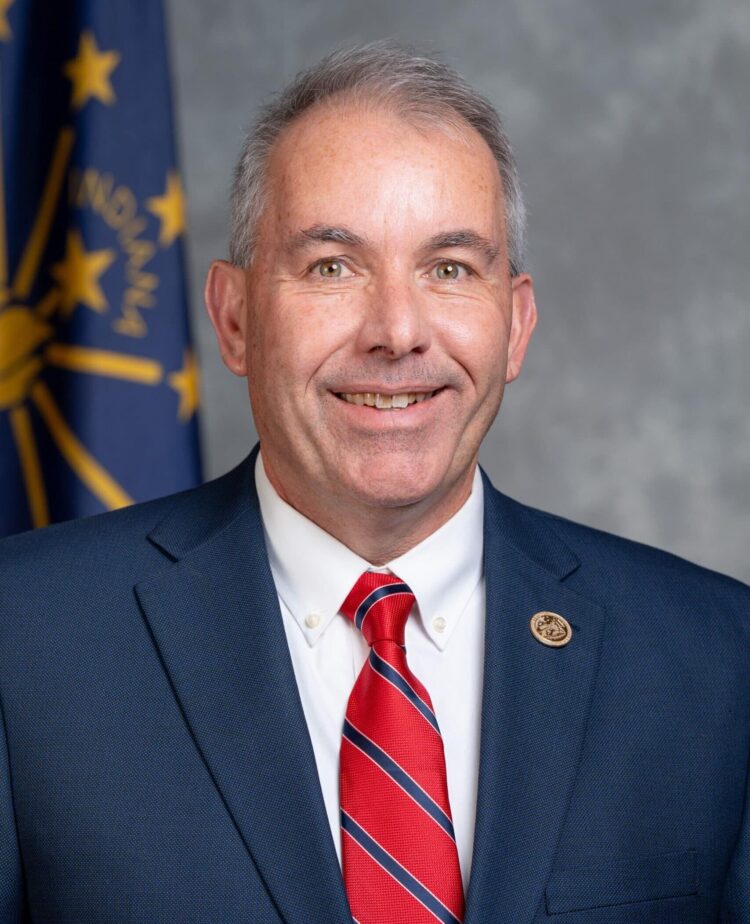
However, Alexander maintained some of the people holding signs and chanting slogans against redistricting during the General Assembly’s December session were paid to protest. He said some of the protesters told him they were receiving money to be there and, in one instance, other protesters said they had to leave before the testimony on the redistricting bill was complete, because they would no longer get paid after a certain hour.
“There’s still a concern there,” Alexander said of allegations of paid protesters. “I disagree with Common Cause (saying) there are none.”
A key change that Vaughn would like to see is requiring lobbyists to file monthly reports rather than one every six months. Although the reports would contain essentially the same information, she said submitting them each month would enable the public to “connect the dots” during the legislative session by showing, almost in real time, which lobbyists may be giving legislators gifts and tickets to entertainment events. That information could then be crosschecked with the list of bills moving through the General Assembly to see if any legislator took any subsequent action that favored the lobbyist’s client.
“The General Assembly is quite a bit about relationships: who has a relationship with who, who’s willing to carry water,” Vaughn said. “If (these reports) are timed right and if you ask the right questions and if we set the disclosure level at an appropriate amount, then you’re going to be able to figure out the story behind the story.”
When SB 267 was presented to the Senate Elections Committee in January, Edward Ferguson, executive director and general counsel at the Indiana Lobby Registration Commission, raised concerns about the bill expanding the duties of the commission.
“We question the wisdom of putting the ILRC in a position of having to deal with the actions to influence executive branch matters, especially since the executive branch has its own statute concerning lobbying,” Ferguson testified during the committee hearing. “The ILRC has never in its history regulated lobbying or influencing of the executive branch.”
Ferguson said putting the lobbying provision in SB 267 before a summer study committee “might be appropriate.” In fact, he said the ILRC offered to assist Alexander if the bill was turned into a study topic.
A continuing issue for Ferguson is the amount of extra work SB 267 could place on the ILRC staff. The “influence campaign reports” would bring more filings into the office and potentially overburden the three to four employees who work for the commission.
“It was unclear to me how the work that (the bill) ostensibly required of us could be done,” Ferguson told The Indiana Citizen. “We don’t have the staff, really, to address the kinds of issues that were contemplated by SB 267.”
To Vaughn, the possible need to add more employees to the ILRC office make this summer an even better time to study potential lobbying reform. The 2027 legislative session will craft the state’s biennial budget so the interim study committee could examine any fiscal impact of providing more resources and staff to the agency.
Also, Vaughn raised the prospect of taking a look at the commission itself. She noted the commissioners are not only appointed by the legislature, but they are also often former legislators, which can increase the “tendency to want to be protective of the General Assembly.”
“I’d like to see a much more independent lobby registration commission, but we’re not going to get that,” Vaughn said. “I think what we could get, though, is more resources so that the (commission staff) actually could process more reporting and we could get something like monthly reports during the session.”
Ferguson said the ILRC is open to helping any interim committee assigned to review Indiana’s lobbying regulations and laws.
“We will be willing participants in any study if asked, and we will certainly offer our suggestions and opinions,” Ferguson said.
The decision on whether to assign the topic to an interim committee is ultimately the Legislative Council’s to make.
Alexander is uncertain if his legislative colleagues have the appetite to study and consider making changes to the lobbying statute. He noted lawmakers are focused on the state’s coffers and how much will be left over after the big-ticket items like education and Medicaid take their bites out of the state budget.
“Maybe there’s some interest in trying to do something here,” Alexander said of lobbying reform and putting more resources to the IRLC staff, “but, maybe there’s not any interest if it’s going to cost money.”
Colleen Steffen, executive editor of TheStatehouseFile.com, edited this article. She worked as a newspaper reporter and editor for more than 13 years and is now in her 10th year teaching college journalists.
The Indiana Citizen is a nonpartisan, nonprofit platform dedicated to increasing the number of informed and engaged Hoosier citizens. We are operated by the Indiana Citizen Education Foundation, Inc., a 501(c)(3) public charity. For questions about the story, contact Marilyn Odendahl at marilyn.odendahl@indianacitizen.org.