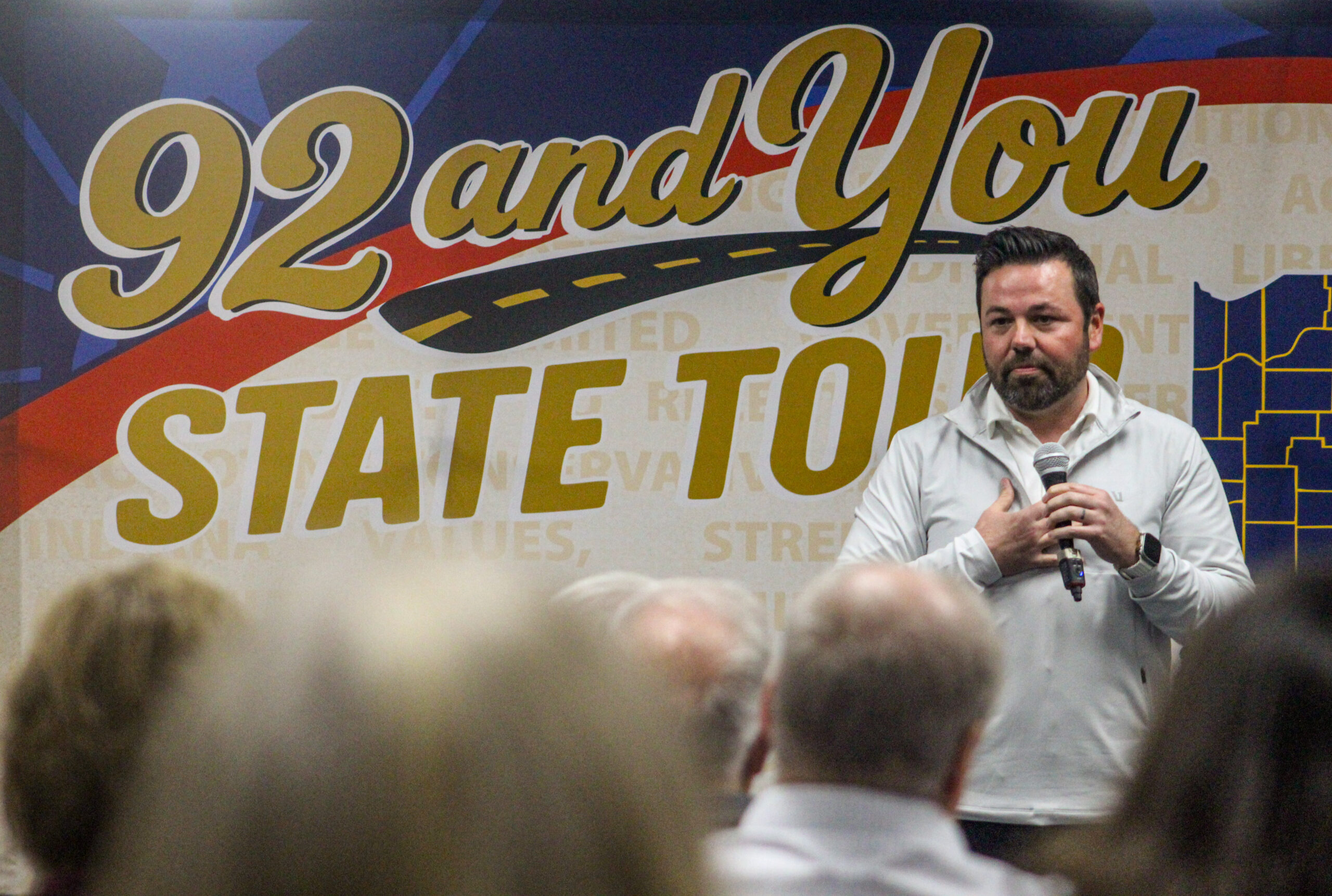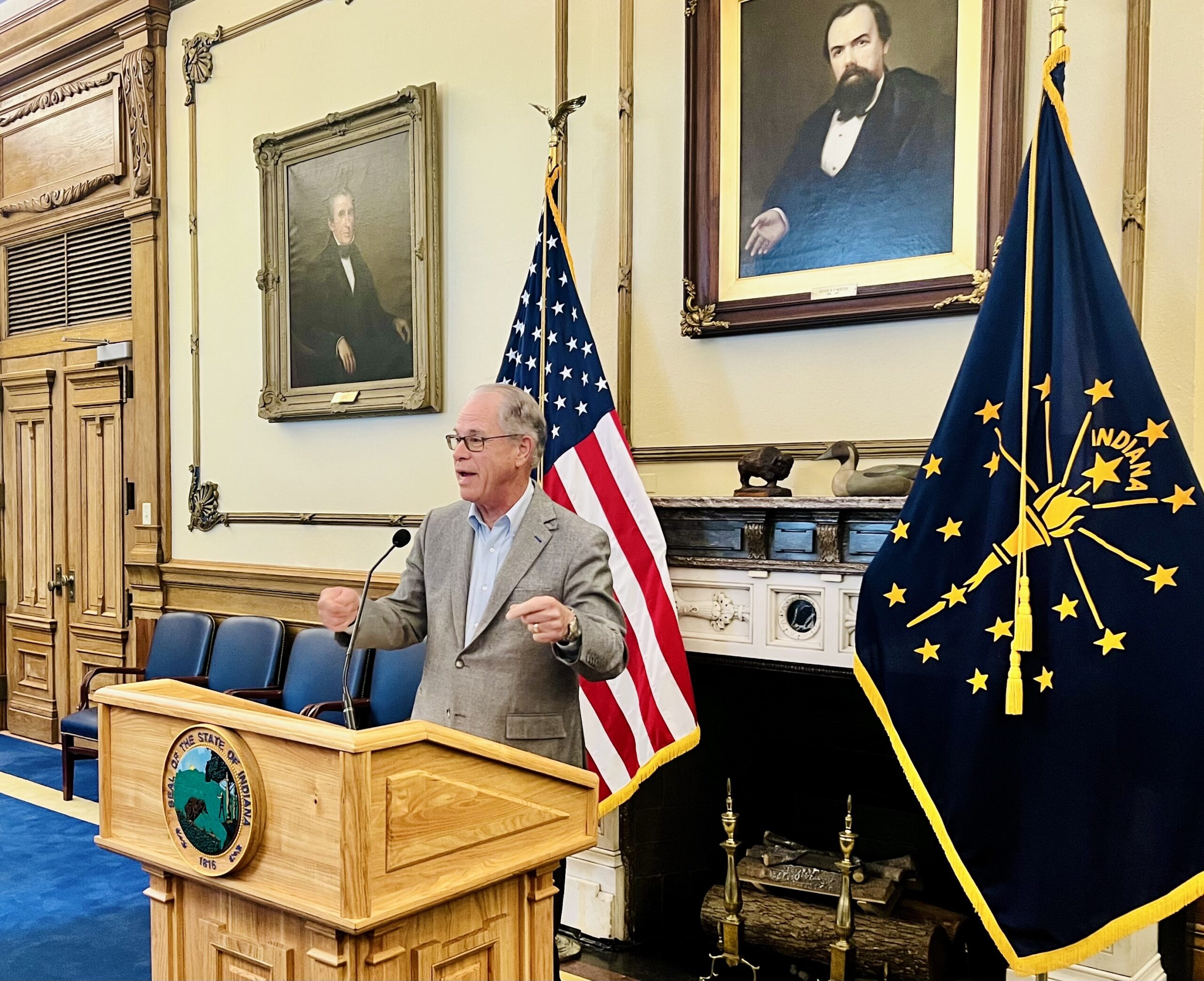
The usual suspects here in Indiana—the Indiana Family Institute, etc.—managed to push a bill through the Indiana House of Representatives that would allow the 10 Commandments to be posted in Indiana classrooms. Aided and abetted by their typical accomplices—Indiana Attorney General Todd Rokita and Indiana Lt. Gov. Micah Beckwith—the folks pushing this ill-advised notion originally wanted to require that the decalogue be posted and have teachers read it aloud.
They didn’t get that.
As it stands now, the bill that emerged from the House will merely allow the posting of the 10 Commandments in Hoosier classrooms without verbal commentary or instruction from Indiana teachers.
Unless the Indiana Senate performs its historic role of granting bad ideas such as this one a quiet and merciful death or Gov. Mike Braun chooses to veto it, the bill is bound to trigger a lawsuit.
That won’t bother the bill’s backers.
Rokita loves wasting taxpayer money on frivolous litigation as much as he does in engaging in petty, personal vendettas. He also savors any opportunity to bask in right-wing media attention—“I’m ready for my closeup, Mr. Murdoch”—so this is the equivalent of a glutton’s all-you-can-eat night at the local buffet for our attorney general.
Beckwith has similar needs. He begins every day by running law, history and logic through a blender to concoct more snake oil for him to sell and uses slick hustles like this one to help build a crowd to hear his pitch.
The Indiana Family Institute, like many extremist organizations on both ends of the spectrum, needs endless fights to keep funds flowing in. They will strive to fill the coffers on this one.
So, all the players have reasons to try to undermine the First Amendment and the United States’ historic opposition to government endorsements of religion.
But still….
One would hope that they might realize that the very constitutional protections they are attacking are the barricades that have allowed religious faith not just to survive but thrive in this country.
During the 20th century and for much of the 21st century, Americans have attended places of worship with greater regularity and more faithfully than the citizens of almost any other industrialized nation.
In part, that’s because the United States erected a wall between church and state earlier than other such nations and maintained it more effectively.
Put simply, one reason we Americans historically have been more devout than the citizens of other industrialized nations is that we have prevented government from telling us how to worship and to whom we must pray.
The mouthpieces for the religious right like to argue that this practice of disestablishmentarianism—the fancy term for keeping government out of religion—was devised by agnostics, atheists and secular humanists to chase God out of the public square.
They’re wrong about that.
The trend to prevent the state from endorsing, promoting or establishing any faith over either other faiths or no faith at all has its roots in the Reformation.
One central thrust of the great historic event that established Protestantism and prodded the Catholic Church to a more democratic structure—please note the small “d”—was a belief that one’s relationship with God was intimate and individual.
From that premise—one that created new faith traditions and shook the established one to its core—it was a short leap to the notion that no one should be able to compel people to worship in ways they do not wish to. The fresh revelation from that epoch was that one’s conscience was one’s own concern, not that of any entrenched power structure.
That included government and government officials, such as our endlessly scrambling and scheming lieutenant governor and attorney general.
By pushing to enlist the state to support expressions of faith, Rokita, Beckwith and the Indiana Family Institute work to weaken one of the pillars of free and enthusiastic religious practice. Without those pillars, careers and lives such as theirs wouldn’t have been possible.
Their short-sighted push might be merely ironic if the stakes weren’t so high.
They can trade away their own right to worship as they wish if they want to, but they shouldn’t be able to put everyone else’s on the block while they do so.
Your faith and your conscience should be your worry.
Not theirs.