This story was originally published by TheStatehouseFile.com.
By Anna Cecil
TheStatehouseFile.com
January 20, 2026
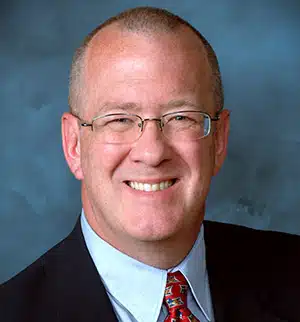
Sen. Chris Garten, R-Charlestown, said during last Wednesday’s Senate Judiciary Committee meeting that foreign threats are not just targeting the Pentagon or Washington, D.C., but also Indiana. He said the country’s foreign adversaries—China, Iran, North Korea and Russia—are attempting to purchase the state’s farmland and influence Indiana’s universities and laws.
For these reasons, Garten, Sen. Aaron Freeman R-Indianapolis, and Sen. Eric Koch R-Bedford, authored a bill that would require anyone acting on behalf of the countries previously listed to register with the Indiana attorney general.
“For too long, we’ve allowed bad actors to hide in the shadows of our political process,” Garten said in the meeting. “Make no mistake, we are currently engaged in a Cold War that is being fought on economic and political fronts.”
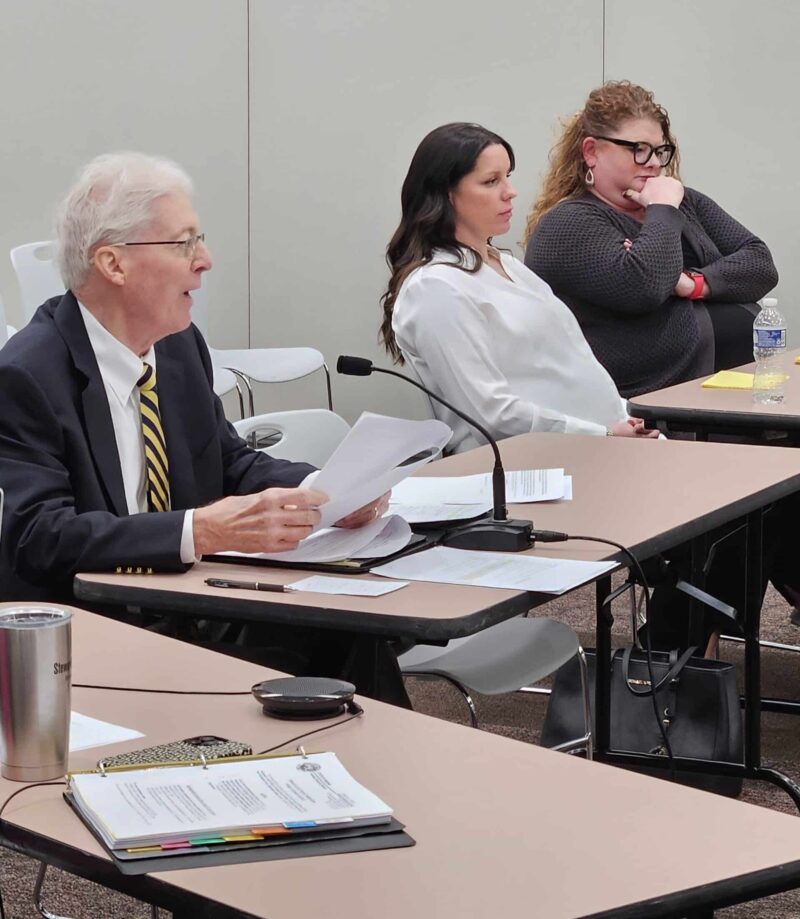
Sen. Liz Brown, R-Fort Wayne, Sen. Sue Glick, R-LaGrange, and Sen. Greg Taylor, D-Indianapolis, voiced concerns in committee about the clarity of language in Senate Bill 256, especially regarding who would be required to register with the attorney general’s office.
In the bill’s original form, a person must report to the attorney general’s office if they are involved in political activities and are an agent, representative, employee or servant of a cited hostile nation; are acting in any capacity at the order or request or under the direction or control of those nations; and are paid in part or in full by them.
Brown said this language is too all-encompassing and could cause confusion for individuals who may have to register.
Glick cited a case from one of her constituents who owns a farm that is engaged in contracts with Chinese companies. Glick asked Garten if the constituent would have to register with the AG’s office because she is also on her city council, which is a political activity.
“How far does this reach down?” Glick asked. “What’s the part where we say, ‘Nah, this is probably not necessary.’”
Garten said Glick’s constituent would have to register.
“My position is this: If you’re doing business with a hostile foreign country and you’re engaged in political activity on any front, you should absolutely have to register,” Garten said.
During testimony in the committee, Taylor questioned Erin Tuttle, legislative director for the Office of the Indiana Attorney General, about her interpretation of the bill.
He asked if a person who is employed by a company in one of the hostile nations would need to register if they want to testify in a committee about a bill that could impact their child, not the foreign nation.
Tuttle said they would have to register only if the individual were acting on behalf of the hostile foreign nation as one of their representatives or was being paid by them.
Taylor said he thought the bill’s language would apply to the testifier just because they were an employee, even if they were not testifying on behalf of the foreign entity.
Tuesday in the Senate chamber, where the bill was on second reading after passing committee 8-2, Garten presented an amendment that clarified the broad language Taylor, Glick and Brown were concerned about.
The seven-page amendment, according to Taylor, says the bill would only apply to individuals who are directly acting on behalf of the listed hostile foreign nations.
“It makes it a way better bill,” Taylor said Tuesday.
The amendment adds several provisions to the bill that defines a hostile foreign principal, political activity and registration requirements.
Sen. Micheal Young, R-Pendleton, and Sen. Lonnie Randolph, D-East Chicago, asked Garten if there should be a different way to define which countries are considered hostile since the list could change.
Young suggested adding language that says the bill applies to countries that the federal government considers its official foreign adversaries. Randolph recommended redefining what a hostile foreign nation is, which is currently just the names of the countries.
Young brought his concern forward because he did not want to have to change the bill if the federal government changed its adversaries.
Garten said in his lifetime, these countries have remained enemies of the United States and that if the list changes, the bill would be revisited.
The amendment passed by voice vote, and the bill will move to its third reading in the Senate.
Anna Cecil is a reporter for TheStatehouseFile.com, a news site powered by Franklin College journalism students.