By Tonya Pfaff
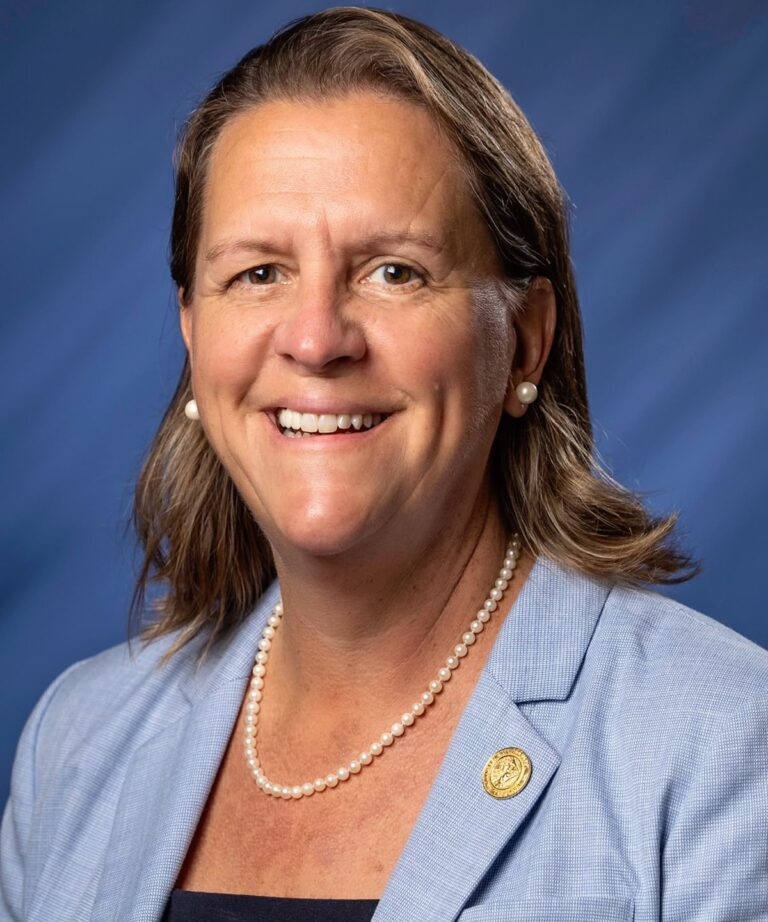
Indiana State Representative
February 20, 2026
When I was a math teacher, I spent my days asking students to show their work. In the legislature, Hoosiers deserve the same thing from us: transparency, a clear rationale, and a fair process, especially when we’re talking about the most fundamental right in a democracy: the right to vote.
That’s why I strongly oppose the last-minute effort moving through the Statehouse to slash Indiana’s early voting period from 28 days to 16 days. This proposal was quietly slipped into House Bill 1359 through a late amendment as the session nears its end, without a hearing and without any public notice or debate.
Let’s start with the obvious question: what problem is this trying to solve?
Indiana doesn’t have an early voting problem. We have a turnout problem.
Indiana is consistently in the bottom ten states for voter participation. In fact, Indiana’s national turnout ranking was 49th in the 2022 midterms and only 41st in the 2024 presidential election. If you’re serious about strengthening democracy, you don’t respond to low turnout by shrinking the window to vote. You respond by removing barriers and making voting fit the realities of working families.
Early voting is one of the most practical, common-sense tools we have. People work shift jobs. We’re raising kids. We’re caring for aging parents. Not everyone has the flexibility to stand in line on a single Tuesday. Cutting nearly two weeks of early voting doesn’t “streamline” democracy. It makes it harder for everyday Hoosiers to participate, particularly in places where Election Day lines can be long and schedules are tight.
Supporters argue this change could save money and make elections easier to manage, with the familiar line that it should be “election day, not election month.” But Hoosiers aren’t asking for an “election month.” They’re asking for a fair shot to be heard. And if we’re going to claim cost savings, we should prove it with real numbers, real analysis, and real public input.
Which brings me to the most troubling part: the process.
This proposal advanced without a normal public hearing on the change itself. No notice, no meaningful opportunity for voters, county clerks, or election administrators to testify, and no public debate. That’s not “Hoosier common sense.” That’s the opposite. If a policy is good enough to become law, it’s good enough to be discussed in the open.
Here’s what I believe and I truly think this should be bipartisan: both parties should want every eligible voter to vote. That’s not a political advantage. That’s democracy. When participation goes up, trust goes up. When we make voting harder or hide major changes in the final stretch of session, cynicism grows and turnout drops even further.
As a Legislator, I’m focused on results and accountability. On any issue, especially elections, we should be expanding opportunity, not narrowing it. If Indiana wants to stop living in the bottom tier of voter turnout, the answer isn’t fewer days to vote. The answer is more access, more trust, and more respect for the people we serve.
There is still time in the legislative process to stop this from becoming law. If this concerns you as much as it concerns me, call your State Senator and tell them to oppose the reduction of the early voting period in House Bill 1359.
Rep. Tonya Pfaff, D-Terre Haute, was first elected to the Indiana General Assembly in November 2018. She is the ranking minority member on the House Agriculture and Rural Development Committee and she serves on the House Ways and Means Committee and the House Education Committee. She was inspired to become a teacher by her mother, Nancy, who was her elementary school teacher at St. Ann School.
The views and opinions expressed are those of the author only and do not necessarily reflect the views of The Indiana Citizen or any other affiliated organization.