By Marilyn Odendahl
The Indiana Citizen
January 29, 2026
According to results of a poll released this week, young, voting-age Hoosiers have a bleak outlook and do not believe change can come through the ballot box.
The poll, conducted in late October 2025 by Bellwether Research and Hart Research, surveyed more than 300 Hoosiers ages 18 to 34 residing in Marion, Hamilton and Boone counties, who were registered to vote but did not participate in the 2024 election. Overall, the results found young adults in central Indiana were more likely to be pessimistic about the country’s future, distrust the federal government and think that their votes do not matter.
However, ReCenter Indiana, a nonpartisan nonprofit focused on improving the state’s voter participation, commissioned the poll and found reason for optimism. Despite their doubts, 35% of the young Hoosiers polled said they would “definitely” vote this year, while another third said they were “above average in likelihood” to vote.
In the group that was polled, 51% were male and 49% were female, 67% had a full-time job, 59% did not have any post-high school education nor were in the military. Also, 64% were white, 22% were Black and 5% were Hispanic/Latino. Those surveyed were asked questions on a variety of topics, including their concerns, information sources, level of political engagement, perceptions of voting, and views on political participation.
Jocelyn Vare, ReCenter Indiana executive director, cautioned against dismissing this cohort of voting population as apathetic.
“Our research shows young adult non-voters care deeply, but feel their vote doesn’t matter,” Vare said in a statement. “They want their voices heard, more convenient voting, and genuine candidates who address issues that matter to them.”
Among those surveyed, 45% had never voted even though they had registered.
The results of the poll found many young adults were discouraged from voting by the process and the divisive politics.
One in four of those surveyed said voting was not convenient. The respondents said conflicts with their work schedules, inconvenient polling hours and locations, and long wait times to cast a ballot were the top reasons why they were not participating in elections.
Personal perceptions, which varied by party and race, also played a role in their decision to skip voting. Of those surveyed, 39% who identified as Republican and 43% who were Black said the main reason they did not vote is they did not trust the election system. Conversely, 51% of those who identified as Democrats and 51% who were white said they stayed away from the polls because they did not believe their vote would make any difference. Among independents, 56% said they did not vote because they did not like the candidates.
Overall, the young voters indicated they were most motivated to vote when the election appeared to have significant consequences. Of those polled, 50% said they would vote if important issues were at stake and 41% said they would cast a ballot to support or oppose a candidate or issue.
ReCenter’s polling seems to provide some insight into the reasons behind Indiana’s abysmal voter turnout. The nonprofit pointed to the Tufts CIRCLE 2024 youth voting report, which found just 39% of young Hoosiers voted, ranking Indiana among the worst-performing states and far below the national young adult turnout of 47%.
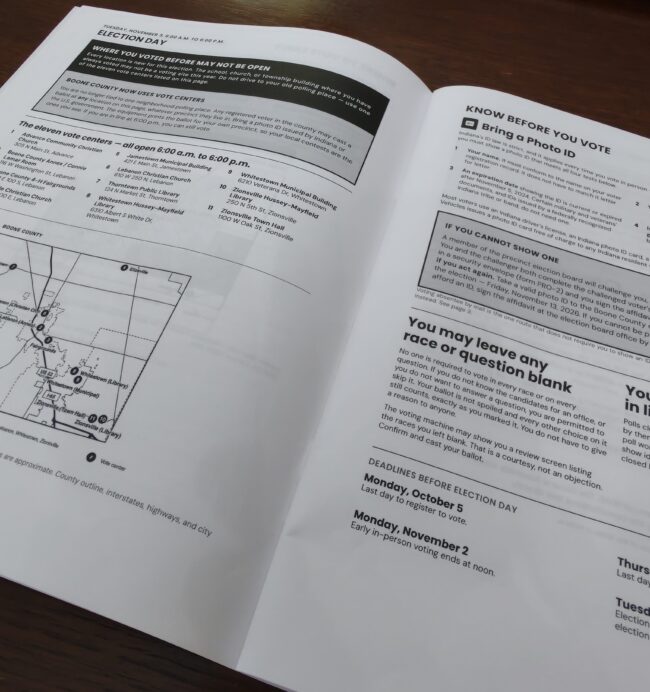
Vare said young Hoosier adults want to vote, but they feel impeded. In particular, they are unaware of early voting and believe Election Day is the only time they can vote.
“When we asked what would make them more likely to vote, the top responses were more convenient voting and a less toxic political environment,” Vare said. Also, she said, young adult voters want a candidate who is genuine or honest and who talks about the issue they care about.
“Young adults want to vote and they want to have a say,” Vare said. “They deserve a say. They are the second-largest age group in Indiana.”
Other findings from the ReCenter Indiana poll:
Dwight Adams, an editor and writer based in Indianapolis, edited this article. He is a former content editor, copy editor and digital producer at The Indianapolis Star and IndyStar.com, and worked as a planner for other newspapers, including the Louisville Courier Journal.
The Indiana Citizen is a nonpartisan, nonprofit platform dedicated to increasing the number of informed and engaged Hoosier citizens. We are operated by the Indiana Citizen Education Foundation, Inc., a 501(c)(3) public charity. For questions about the story, contact Marilyn Odendahl at marilyn.odendahl@indianacitizen.org.