By Marilyn Odendahl
The Indiana Citizen
January 2, 2026
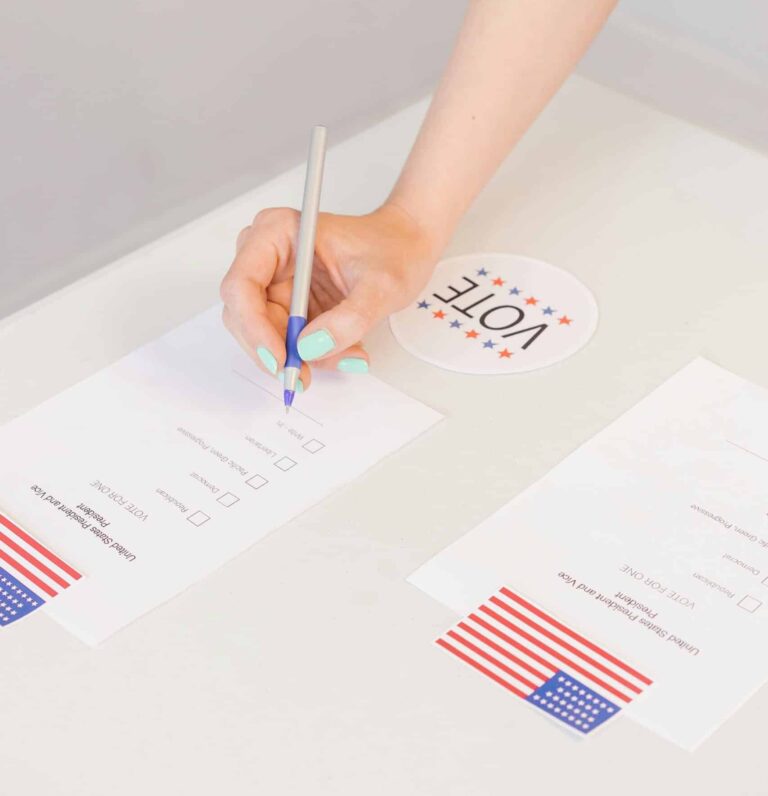
With the window opening on Jan. 7 for Republican and Democratic candidates to file for the 2026 elections, an Indiana nonpartisan nonprofit is offering a suggestion for engaging voters and making elected officials more responsive to their constituents: fill the ballot with people who do not belong to either party.
Independent Indiana, a project of the Center for Independent and Effective Government, is championing independent candidates as the remedy to what it calls the state’s “sustained political stagnation.” Over the past two decades, the organization says, the Republican and Democrat parties have gained such control over the process that Indiana now has fewer competitive elections, little accountability among lawmakers, and declining public engagement.
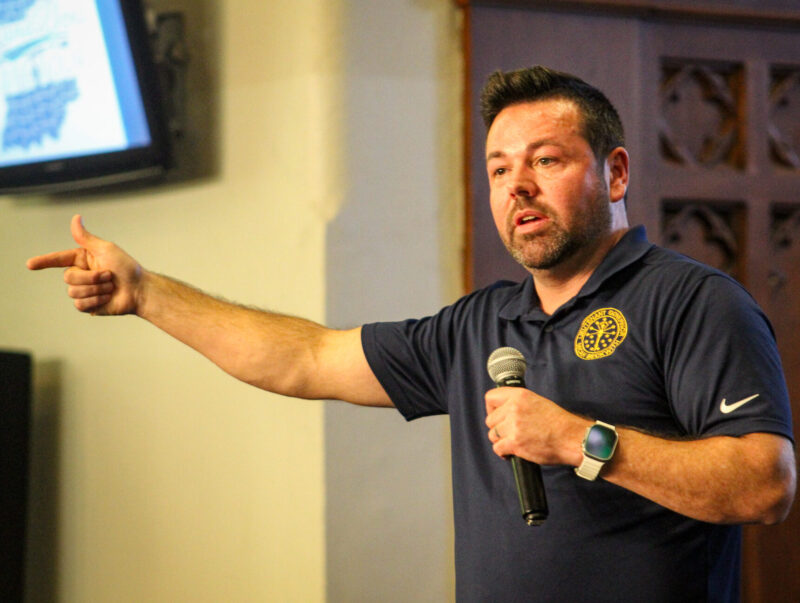
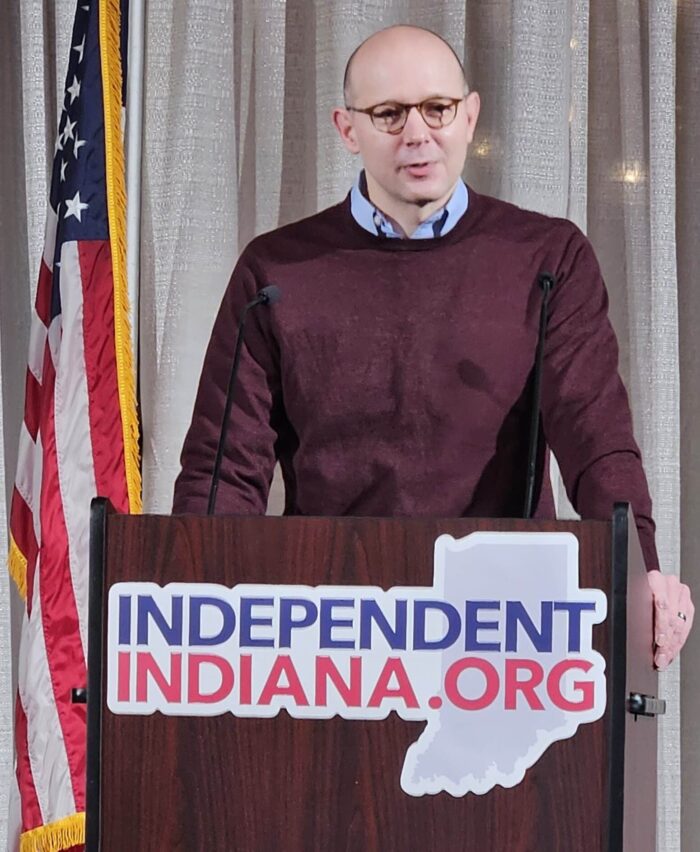
Nathan Gotsch, executive director of Independent Indiana and a former independent candidate for Congress in Northeast Indiana in 2022, said the consequences of the current political situation in the state extend far beyond the polling precinct.
“What I’m worried about is we’re losing a generation of really, really good people who would have gotten into public service but for the current dynamics of our system of elections in Indiana,” Gotsch told The Indiana Citizen.
Independent Indiana has released a study, which draws upon polling and election data, along with interviews, to examine the reduction in competitive elections as well as the success of hundreds of independent candidates who have won local races across Indiana that included Republican and Democratic opponents.
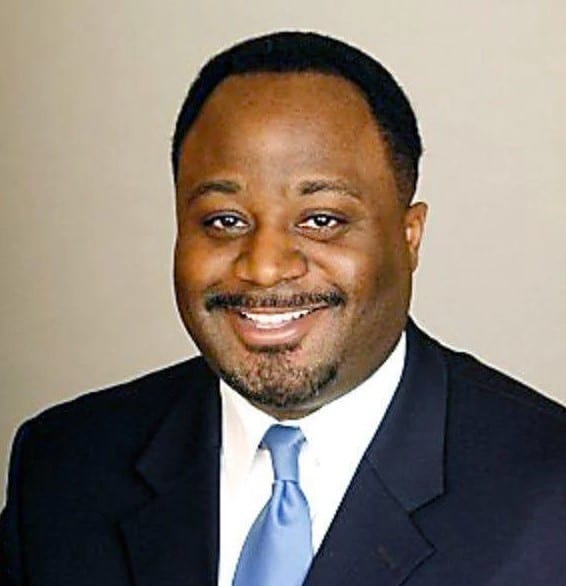
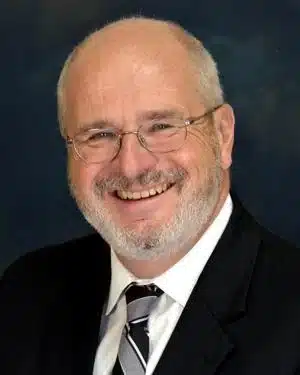
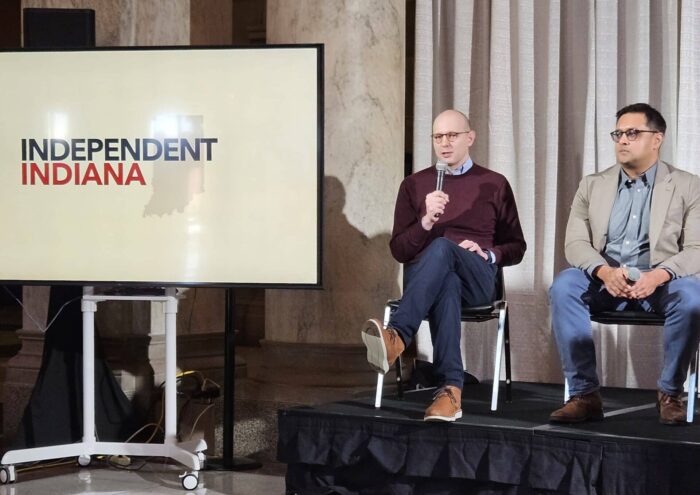
Gotsch was joined by two of the center’s board members Jay Chaudhary and Amar Patel to unveil the study at a Statehouse news conference in mid-December. And they had the data to support their advocacy for independent candidates.
According to Independent Indiana’s polling, 88% of all Hoosier voters said they would likely support an independent candidate if they agreed with the individual on most issues and they thought the person could win the election. Split by party, 86% of Republican voters and 89% of Democratic voters said they would likely vote for such an independent candidate.
Moreover, the data shows Indiana voters are casting ballots for independents. The study notes that over the past two election cycles, 244 independent candidates ran in races across the state and 52% of them won. Comparatively, 61% of Republican candidates won and 35% of Democratic candidates were successful during the same period.
Gotsch said having independent candidates on the ballot is beneficial to voters and the other candidates vying for office. Hoosiers will have a choice at the ballot box, which they currently do not have, he said, and Republicans and Democrats will face competition, which will make them better candidates.
However, the study also said independent candidates must clear some unique structural hurdles in the election process to even get on a ballot. Independent Indiana is thus calling for a series of reforms, which it says will create an even playing field. Namely, the organization wants a repeal of straight-ticket voting.
“It’s going to get more people engaged,” Gotsch said of having a greater number of independents running in elections. “And that is good for every single community across the state. When you have people participating in democracy, it means that they’re caring about their town, their city, the state and our country.”
Gotsch described the two-party system as calcifying in Indiana.
As proof, he pointed out that the last time a congressional seat changed parties in the Hoosier State was 2012, when the late Jackie Walorski, a Republican, won the 2nd Congressional District that had been held for three terms by Democrat Joe Donnelly. Also, Gotsch noted Indiana has not seen a change in a statewide office since 2018, when Mike Braun, a Republican, upset Donnelly in the race for the U.S. Senate.
Primaries now often determine who represents Hoosiers in the Statehouse and on Capitol Hill.
Based on Independent Indiana’s analysis, a small number of voters are deciding who holds office. The study estimates that over the past four non-municipal cycles, 12% of registered voters in Indiana are casting ballots in the Republican primary and determining the GOP nominees for statewide offices, while just 9.7% are voting in the Democratic primary and choosing that party’s nominees.
Since only a sliver of registered voters participates in the primaries, those Hoosiers are having an outsized impact on public policy. The Independent Indiana study asked registered voters across the state what issues they considered most important and found a great disparity between what voters say they want and the laws and policies actually being enacted.
More than 80% of Hoosier voters, according to the study, said reducing government corruption and increasing transparency was the most important issue. The next-highest concern was keeping schools safe and preventing gun violence, while the third major issue was addressing the cost of living, including the affordability of housing, groceries and gas.
Comparatively, Gotsch said, the three issues least concerning to voters had gotten a lot of attention and traction at the Statehouse. Just 54% cited abortion as an important issue, 49% said dealing with illegal immigration and securing the border was a top concern, and 36% said laws pertaining to transgender athletes were a priority.
Gotsch shied away from criticizing the elected officials. Since lawmakers in Indiana are essentially elected to office in the primaries, they have to pay attention to the wishes of the primary voters, who tend to have more partisan and extreme views than the overall electorate.
“In fairness to them, they are trying to win primaries, so that they can keep their seats and do the work that they want to do,” Gotsch said of lawmakers. “I think we sometimes have a tendency to blame our elected officials, instead of understanding there are very complicated incentives that are pushing them, in many cases, in directions towards extremism and away from these key issues that are most important to Hoosiers.”
Gotsch said individuals interested in running as independents continue to contact his organization for information and help. The independent candidates who are running and winning elections, he said, are in the mold of two storied Hoosiers: retired U.S. Rep. Lee Hamilton, a Democrat, and the late U.S. Sen. Richard Lugar, a Republican.
“They are the kind of folks who want to solve problems, they want to work together, they want to build coalitions,” Gotsch said of the independent candidates. “They also have very strong principles and they have very strong beliefs, but they understand that their job is to serve all their constituents, not just that small percentage of people who might vote in a primary.”
Gotsch dismissed the notion that increasing voter turnout would bring about systemic reform by enabling more moderate candidates to win elections. Indiana ranked second to last in the country for voter participation in the 2022 midterm election, according to the 2023 Indiana Civic Health Index. Gotsch said he has not seen any evidence in Indiana or other states that has shown getting more people to vote in primaries has fostered more competition.
What would help get more Hoosiers to pay attention to elections, Gotsch reiterated, would be some structural reforms to remove some of the barriers independents must overcome.
The main barrier, Gotsch said, is the signature requirement to get on the general election ballot. Currently an independent candidate must get handwritten signatures from the number of voters that equals 2% of the votes cast in the most recent election for the Indiana Secretary of State in the district in which the independent candidate plans to run, according to the study. Since 1.85 million Hoosiers voted for the secretary of state in 2022, an independent candidate would need to collect roughly 37,000 verified signatures, the study noted. By comparison, a Republican or Democrat running for Indiana governor or one of the state’s U.S. Senate seats would need just 4,500 signatures statewide.
Another barrier, Gotsch said, is straight-ticket voting, which enables voters to check one party’s box on the ballot and automatically vote for all the candidates of a particular party. Indiana is one of only six states that still has straight-ticket voting and by not having to look through the ballot, voters are unaware that independents are also running, he said.
“Ultimately, I just want competitive elections,” Gotsch said. “I just want every single voter to feel like their voice matters, to feel like they need to go to the polls or send in their absentee ballot, because there is a real choice.”
Dwight Adams, an editor and writer based in Indianapolis, edited this article. He is a former content editor, copy editor and digital producer at The Indianapolis Star and IndyStar.com, and worked as a planner for other newspapers, including the Louisville Courier Journal.
The Indiana Citizen is a nonpartisan, nonprofit platform dedicated to increasing the number of informed and engaged Hoosier citizens. We are operated by the Indiana Citizen Education Foundation, Inc., a 501(c)(3) public charity. For questions about the story, contact Marilyn Odendahl at marilyn.odendahl@indianacitizen.org.