By Marilyn Odendahl
The Indiana Citizen
December 22, 2025
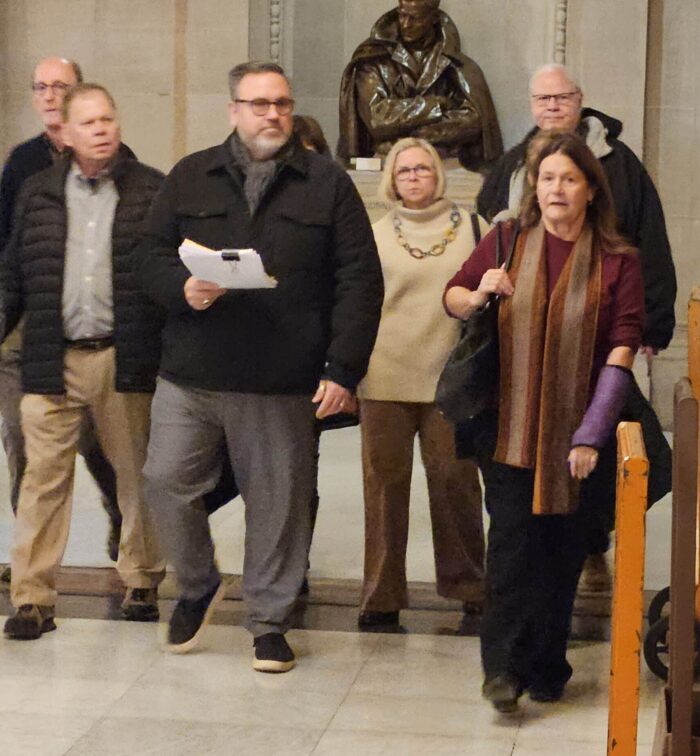
One day after the year anniversary of Joseph Corcoran’s execution, Indianapolis First Friends Quaker Meeting and Shalom Zone were able to meet with Gov. Mike Braun’s staff to discuss ending capital punishment in Indiana.
The interfaith coalition met with Molly Craft, the governor’s deputy chief of staff for communications, on Dec. 19. According to First Friends, the discussion centered on ways to connect with state senators and representatives to get support for a moratorium on the death penalty and then establish a study commission so lawmakers can have time to review and “better understand the statistics, facts and other realities” about capital punishment.
The meeting came almost one year after Corcoran was put to death on Dec. 18, 2024, and less than a week after the interfaith coalition had delivered a stack of letters to Braun’s office, calling on the governor to end the death penalty. Corcoran’s execution was the first in Indiana in 15 years and was followed by the executions of Benjamin Ritchie in May 2025 and Roy Lee Ward in October 2025.
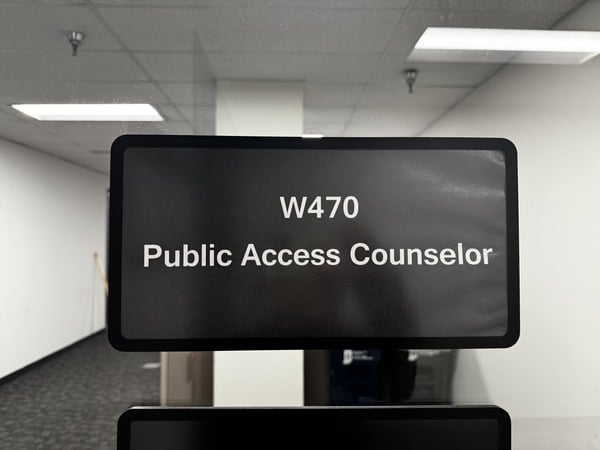
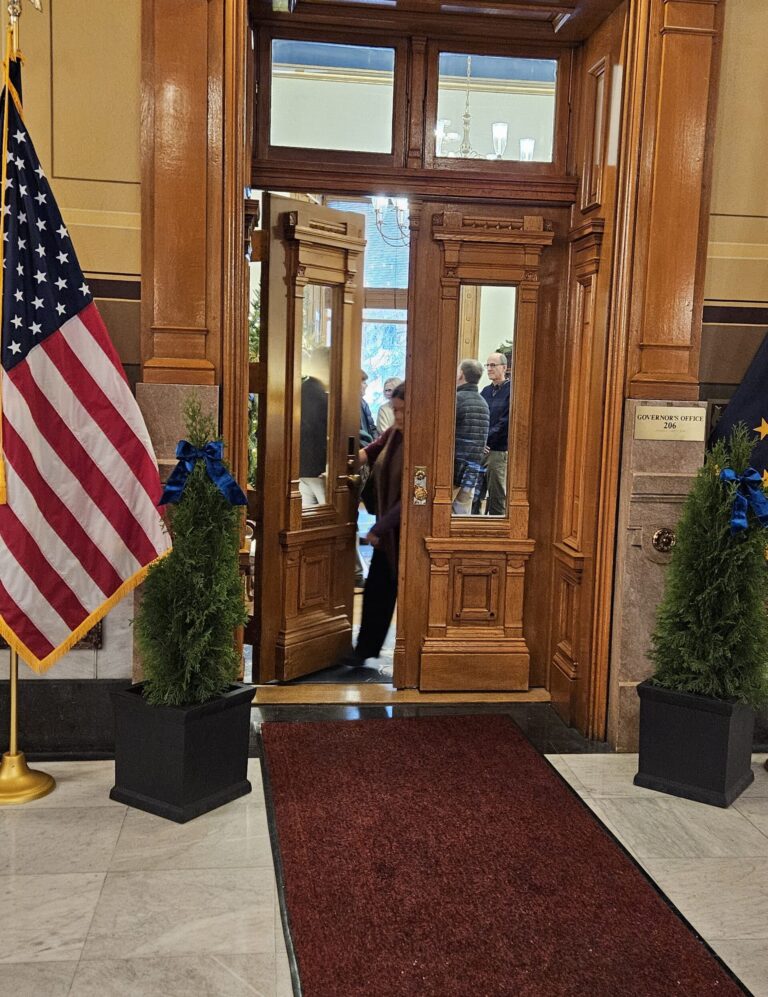
First Friends had appealed to then-Gov. Eric Holcomb in October of last year to cease capital punishment. The Quakers then filed an open records request for information about the drugs being used in the lethal injection and eventually sought a ruling from the Indiana public access counselor. Then, encouraged by Braun’s public comments that he was open to a discussion on the death penalty, First Friends and Shalom Zone, an interfaith group, arrived at his office on Dec. 16, with the letters and were able to elicit a promise for a meeting with the governor’s staff.
Jodie English, an attorney who has spent her career defending individuals facing the death penalty, has led the effort by First Friends and was optimistic following the Dec. 19 conversation with Craft.
“She’s a great listener, and she’s thoughtful, and she was certainly sympathetic,” English said of Craft. “Of course, she doesn’t speak for the governor, but she had some ideas that we hadn’t thought of.”
A key idea was to testify before a legislative committee even if the death penalty bill on the agenda might not be one the group supported. Rep. Robert Morris, R-Fort Wayne, is expected to reintroduce his bill calling for a repeal of the death penalty, but other bills would expand the methods of execution available to include firing squads and nitrogen hypoxia if the drug cocktail for lethal injection is not available.
English said county prosecutors are reluctant to remove the capital punishment statute because they can use it as a tool to pressure the accused and to respond to public outrage over heinous crimes. However, she continued, death penalty cases are complicated and expensive.
“They can use their tool and get a death sentence (for a) defendant, and the odds of reversal or post-conviction relief or capital habeas relief are huge because it’s such a complicated area of the law,” English said.
The governor’s office did not respond to a request for comment.
Colleen Steffen, executive editor of TheStatehouseFile.com, edited this article. She worked as a newspaper reporter and editor for more than 13 years and is now in her 10th year teaching college journalists.
The Indiana Citizen is a nonpartisan, nonprofit platform dedicated to increasing the number of informed and engaged Hoosier citizens. We are operated by the Indiana Citizen Education Foundation, Inc., a 501(c)(3) public charity. For questions about the story, contact Marilyn Odendahl at marilyn.odendahl@indianacitizen.org.